Architectural models in a mountain-facing gallery of wood and stone.

Impetus Grants

We give scientists fast grants to pursue ideas that could transform longevity research but would otherwise go unfunded.

Now fundraising: AI-enabling datasets

More science per dollar, faster

$34M

Deployed across 146 projects.

Total funding through Impetus Grants These rounded estimates include funding from all rounds up to each year: about $20 million by 2021, $24 million by 2022 and $34 million by 2023. ~$20M 2021 ~$24M 2022 ~$34M 2023

≤3-week decisions

14–25× faster than the NIH K99/R01

1.1% overhead

Well below every other funder in our comparison.

Sources & measurement notes

Program and current round. Three weeks describes application to decision, not funds arriving. The matching offer applies to the first $5M of new commitments; remaining availability requires confirmation. Grant goals describe the planned round, not awarded funding. Researchers receive credit for the studies, which can have several funders.

Overhead comparison. Compared with Manifund, Packard, Hewlett, Founders Pledge US and GiveWell. Administration and fundraising ÷ total expenses, from tax filings and audited accounts, FY2022–24 (Founders Pledge: 2024 only). Manifund includes an allocation estimate.

Our funding principles

What we fund

We fund work that could change the trajectory of aging research, not incremental additions to existing knowledge. Impetus focuses on work that is too speculative for government funding and too early for company formation.

How we fund

We offer grants of up to $500k, with short applications and decisions within three weeks. A reviewer can champion a proposal without needing a committee’s agreement, giving unconventional ideas a route to funding.

What success looks like

We aim to seed ideas that grow into new research areas and paths toward treatments, and bring exceptional scientists into aging who might otherwise work elsewhere. Publications are an early sign of progress. The longer-term test is whether the work changes the field.

Next round

AI-enabling datasets for aging research

For AI to drastically impact longevity, we need data showing how age-related diseases unfold and how treatments change their course.
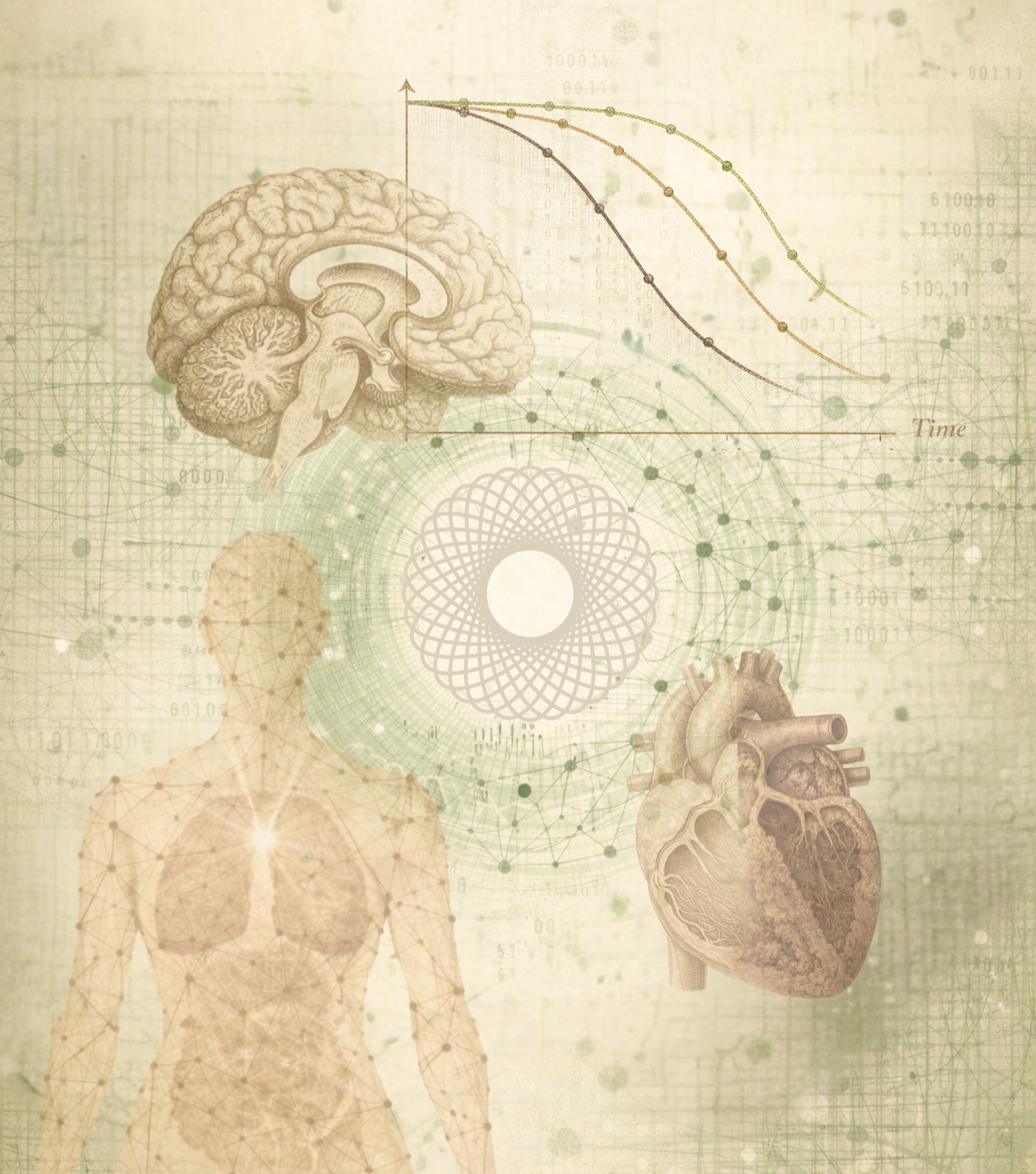
Illustration connecting brain, heart and whole-body biology with data networks and changes over time.

These datasets take years to build, regardless of how fast intelligence scales. We need to start now. We’re raising funds for experiments that track disease over time, linking molecular and cellular changes to organ function and health.

Read the round's motivation and plans here

Status: $6.1M of $15M goal, for 50 grants

Current Patrons:

  • Robert Rosenkranz
  • Anonymous
Contact Martin about Impetus

Backing big-if-true ideas

240+ Impetus-supported publications, from aging clocks to clinical trials.
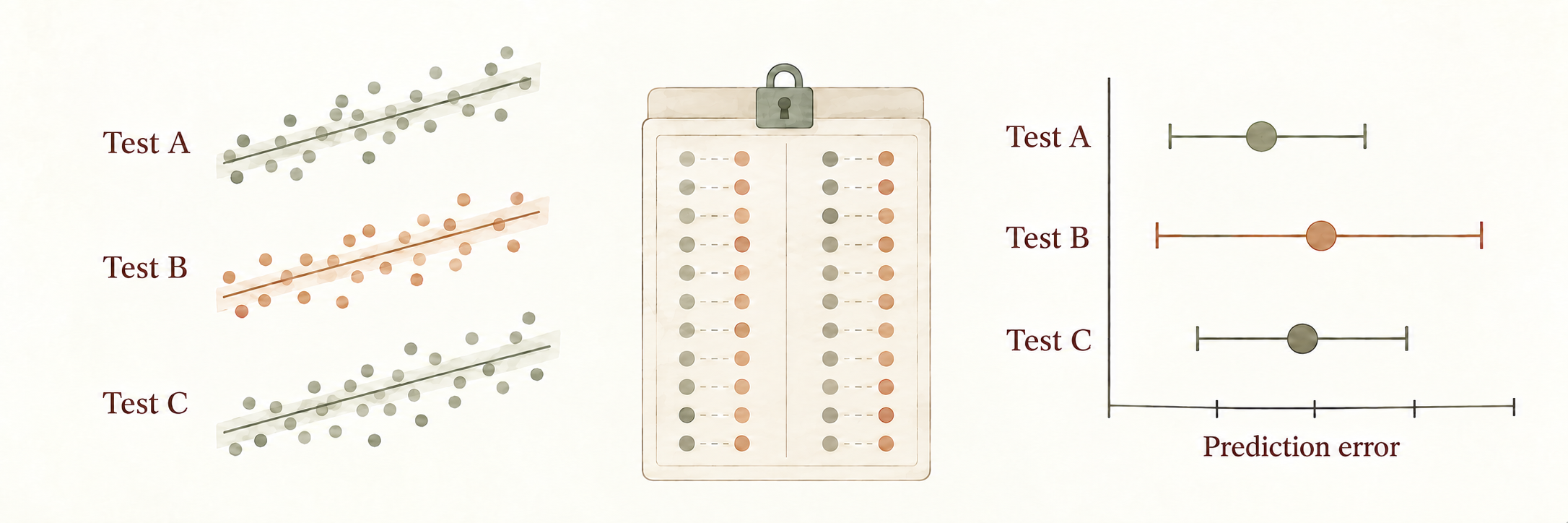
Biomarkers for faster aging drugs

Illustration comparing age-test predictions on a locked dataset and the relative prediction error for three tests.
Read the research

LDL cholesterol let researchers evaluate cardiovascular drugs years before their effects on heart attacks become visible. This has led to more drugs, faster.

Aging has no equivalent, making effective drugs very hard to find. These projects span clock development, benchmarking and validation, aiming to predict future health from measurements today.

CAR-T immunotherapies: from cancer to aging

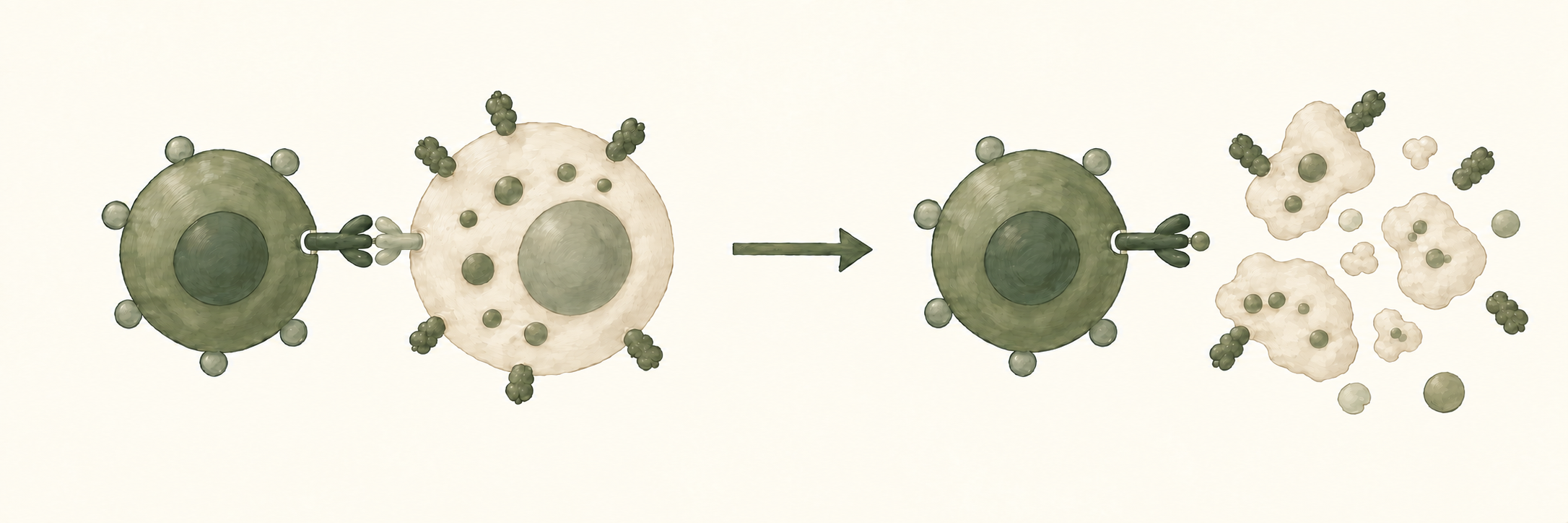
CAR-T cell recognising a senescent cell, then clearing it.
Read the research

We helped Corina Amor set up her new lab at Cold Spring Harbor Laboratory, and she’s been prolific: her team’s CAR-T cells improved glucose control, exercise capacity and intestinal regeneration in mice. She also helped identify potential CAR-T targets in liver disease.

DNA repair in the world’s longest-lived mammal

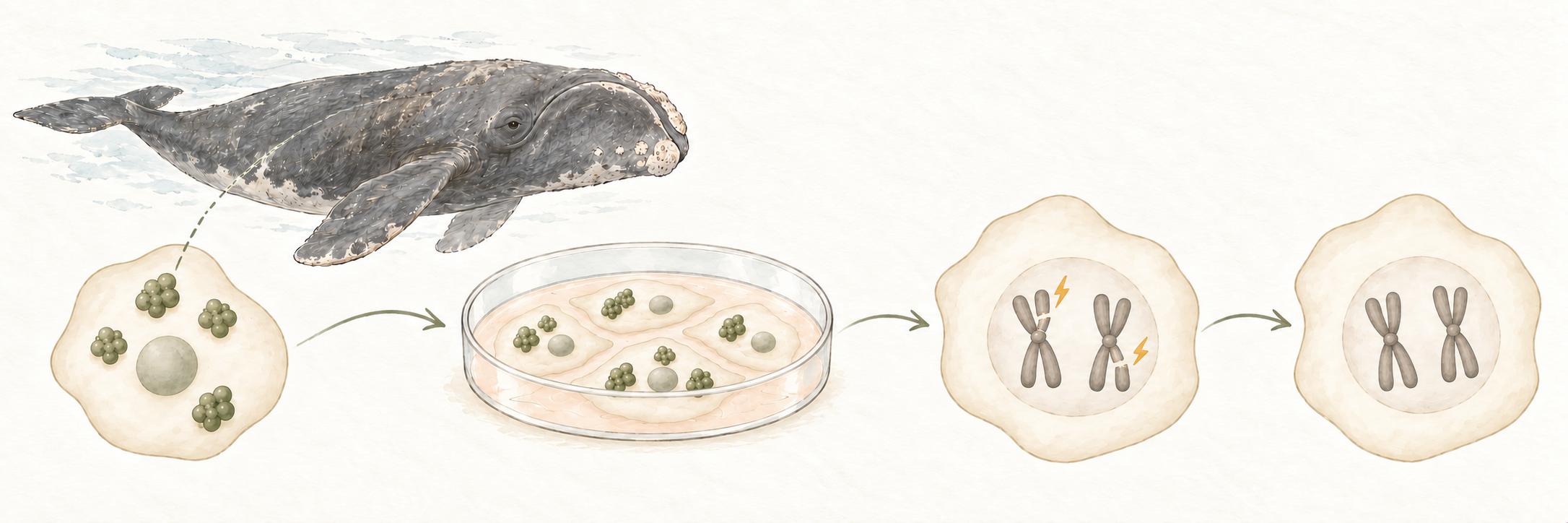
Bowhead whale cell factor studied in human cells, followed by an illustration of DNA damage and repair.
Read the research

The team found that bowhead whale cells repair DNA breaks more accurately than those of other mammals, with fewer mutations. Part of this ability comes from unusually high levels of a protein called CIRBP. Increasing the whale protein in cultured human cells improved DNA repair and reduced chromosome damage. In fruit flies, it extended lifespan and increased resistance to radiation damage.

Clinical trials for aging

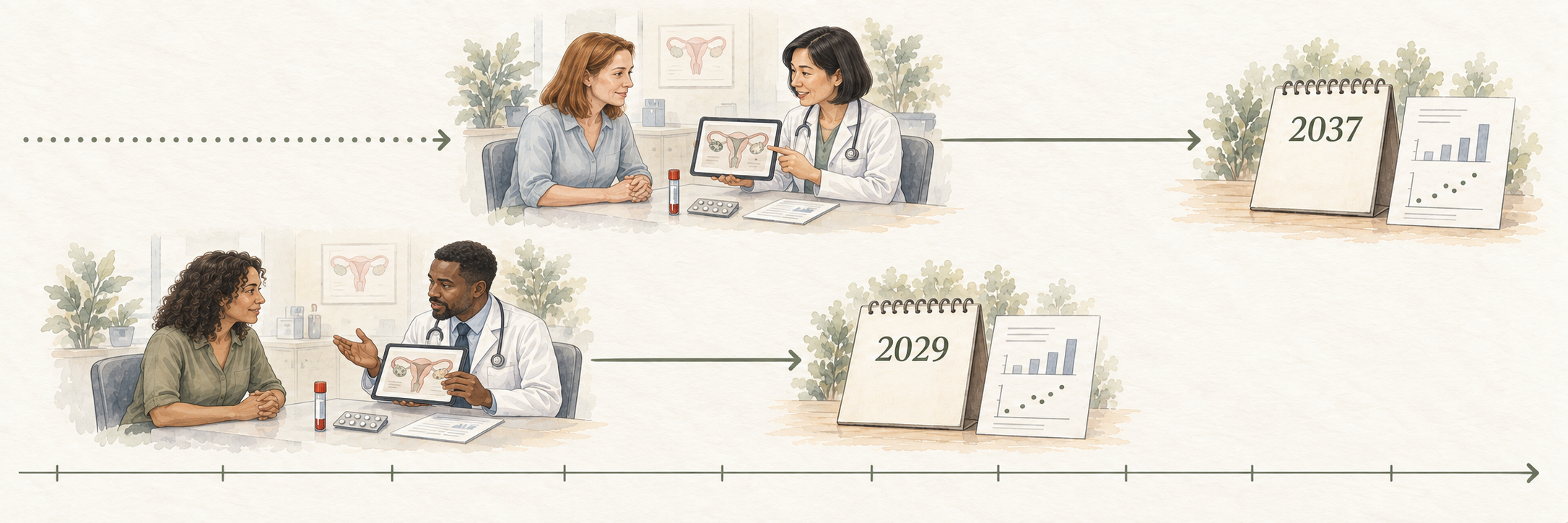
VIBRANT-inspired clinical scenes show different women aged 35 to 45 discussing ovarian aging with different clinicians. Pill blisters, blood samples and ovarian diagrams suggest the study focus. The bottom trial begins sooner and reaches an illustrative 2029 result; the delayed top trial reaches a 2037 result. These are hypothetical schedules, not VIBRANT dates, forecasts or demonstrated treatment benefits.
Read the research

RAPID : A randomized trial testing rapamycin for periodontal disease. Led by Jonathan An at the University of Washington.

VIBRANT : A randomized trial testing whether rapamycin can slow ovarian aging. Led by Zev Williams and Yousin Suh at Columbia.

ERAP : An open-label trial testing rapamycin in early Alzheimer’s disease, measuring changes in brain glucose metabolism and cognition. Led by Pontus Plavén-Sigray and Jonas Svensson at Karolinska.

EVERLAST : A randomized trial testing whether everolimus improves age-related physiology in older adults with insulin resistance. Impetus supported additional biomarker analyses within the NIH-funded trial. Led by Adam Konopka and Dudley Lamming at the University of Wisconsin–Madison.

Plasma exchange : A non-randomized pilot of young-donor plasma exchange for mild cognitive impairment. Led by Arne Søraas and Petter Holland to assess safety and feasibility and inform a future randomized trial.

NAD+ metabolism : A human study measuring NAD+ production and breakdown, and how these change with age or exercise. Led by Lindsay Wu at UNSW.

Large open datasets mapping how the body ages

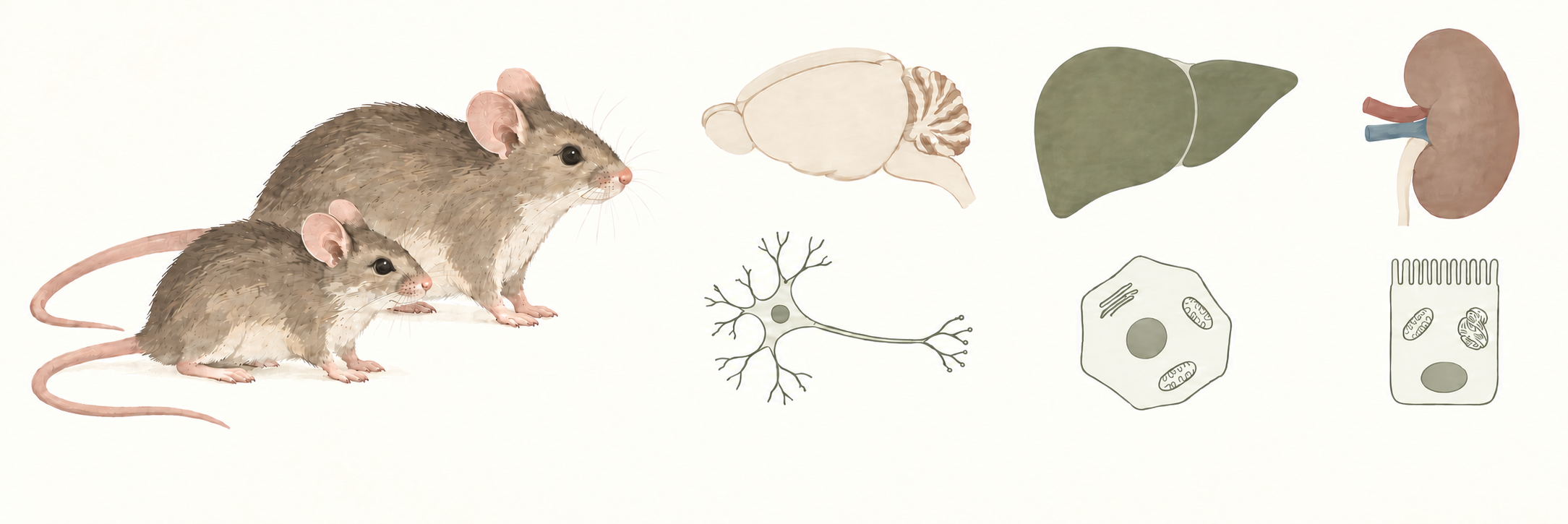
PanSci atlas illustration: mice across ages, with brain, liver and kidney examples among 14 organs and 21.8 million profiled cells.
Read the research

Junyue Cao’s team built PanSci, which profiles 21.8 million mouse cells across 14 organs, revealing which cell populations expand or decline with age. It was the largest single-cell atlas of mammalian aging at publication. A follow-up atlas spans 21 mouse tissues, mapping changes in cell populations and gene regulation.

We also supported Yousin Suh and Zev Williams’s human ovarian atlas, which maps gene activity and regulation and reveals increased mTOR signalling with age.

Sophia Liu and colleagues mapped how the mouse thymus changes with age, connecting changes in tissue organisation with reduced T-cell receptor diversity.

Genetic clues to disease vulnerability

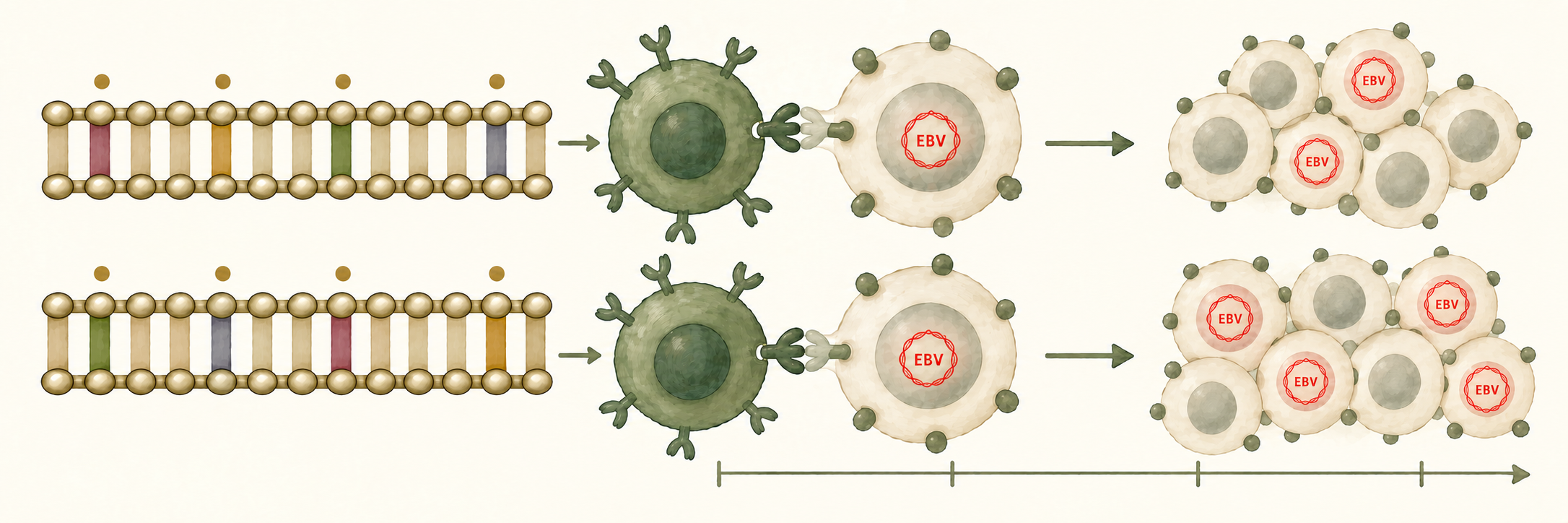
Two illustrative host DNA variants differ at marked sequence positions. Green immune cells with surface receptors interact with EBV-bearing cells. Blood cell groups at right show fewer EBV-positive cells in the upper row and more in the lower row, illustrating different levels of detectable EBV DNA rather than eradication of infection.
Read the research

Dhindsa’s team identified rare variants disrupting ITSN1 that were associated with roughly tenfold higher odds of Parkinson’s disease. Follow-up experiments in a fly model showed that loss of the gene worsened neuronal damage and movement problems.

The team also identified genetic variants associated with persistent Epstein–Barr virus (EBV) DNA in the blood, pointing to differences in how the immune system recognises the virus.

Good ideas, coming from anywhere

>35%

Of round 3 grantees were new to aging research.

  • New to aging research12
  • Prior aging research22
63%

Of grantees were graduate students, postdocs or early-career researchers.

  • Graduate students9.0%
  • Postdocs17.2%
  • Early career36.6%
  • Mid-career21.6%
  • Senior15.7%
~60%

Of assessed papers and preprints had no NIA support identified.

  • No NIA support identified75
  • NIA support identified51
Sources

34 grantees · Round 3

New to aging research. The round-three figure is 12 of 34 grantees (35.3%) marked new to longevity in the supplied classification. These flags are provisional and have not been independently reassessed. The chart describes the funded cohort; it does not establish that Impetus caused each researcher to enter aging.

84 of 134 · Rounds 1–3

Career stages. Of 134 unique grantees across rounds one to three (2021–2023), 12 were graduate students, 23 postdocs and 49 early-career researchers at their first listed award. Together, 84 of 134 is 62.7%, rounded to 63%. Some stage assignments were inferred from titles.

126 resolved assessments · FY2022–2024

NIA support assessment. Of 126 papers and preprints with resolved assessments for FY2022–2024, 75 (59.5%) had no NIA support identified for any author. Four unclear and 48 unassessed records are excluded. The assessment does not establish an absence of NIA support outside this window.
Award directory

Made possible by our patrons

A skylit circular hall holds a mural of human history.