
Martin Borch Jensen
Founder, President

Meet the people working to give you more time
We set Norn’s direction and run its programs.
Founder, President
Scientific Staff
Director of Impetus Grants
Communication & Media
Longevity Nexus brings together the highest concentration of talent in longevity to work on projects that add more healthy years to human life.
Members combine their expertise in biology, biotechnology and drug development through collaborative deep dives. They exchange ideas and feedback, bring in outside expertise and take ownership of projects, turning the work into a shared knowledge base and public resources for the field.
Selected members may receive fellowships to investigate important research questions or pursue exceptional projects within Norn Group, with support and mentorship from Martin Borch Jensen.
Attend at least 40% of weekly sessions on longevity and contribute work regularly. Members must host at least one session every four months. Let us know if you need to step away or cannot meet the minimum attendance.
Weekly sessions are virtual, with collaboration continuing on Slack and occasional in-person meet-ups in San Francisco. There are no citizenship requirements.
You can apply at any time. Applications are reviewed irregularly, and only selected applicants receive a response. Applicants can share serious work that advances longevity, seek a recommendation or contact a Norn Group or Nexus member they know.
Gene therapy can act on targets conventional drugs cannot. We assess what it would take to make these treatments safe and affordable for common diseases.
Mouse lifespan studies take years. We propose an independent program to test whether aging clocks can predict treatment effects on lifespan before those studies finish.
A proposal for testing aging drugs against multiple diseases in one trial, with tools to assess its statistical and economic feasibility.
Choosing the right disease to target can make or break a longevity drug program. We compare 47 age-related diseases to guide you towards a viable path to patients.















Awards and mentorship help aging researchers outside the U.S. complete projects and relocate to the United States.
Approved candidates join Longevity Nexus and spend roughly 100 hours, typically over three weeks to four months, completing a project for publication with guidance from Martin Borch Jensen and Sufal Deb.
An award of approximately $10,000, paid when the project is complete, with no restrictions on its use.
All non-US nationalities are eligible. We give preference to candidates from regions with less-developed research infrastructure for longevity work.
Projects must directly address aging and longevity research and advance knowledge or practical work in the field. They can include disciplines beyond traditional STEM.
Awardees complete at least one collaborative project with Norn Group and are expected to relocate to the U.S., with timing adapted to each person’s circumstances. Norn helps with network introductions, connections to legal and accommodation support, and other relocation needs.
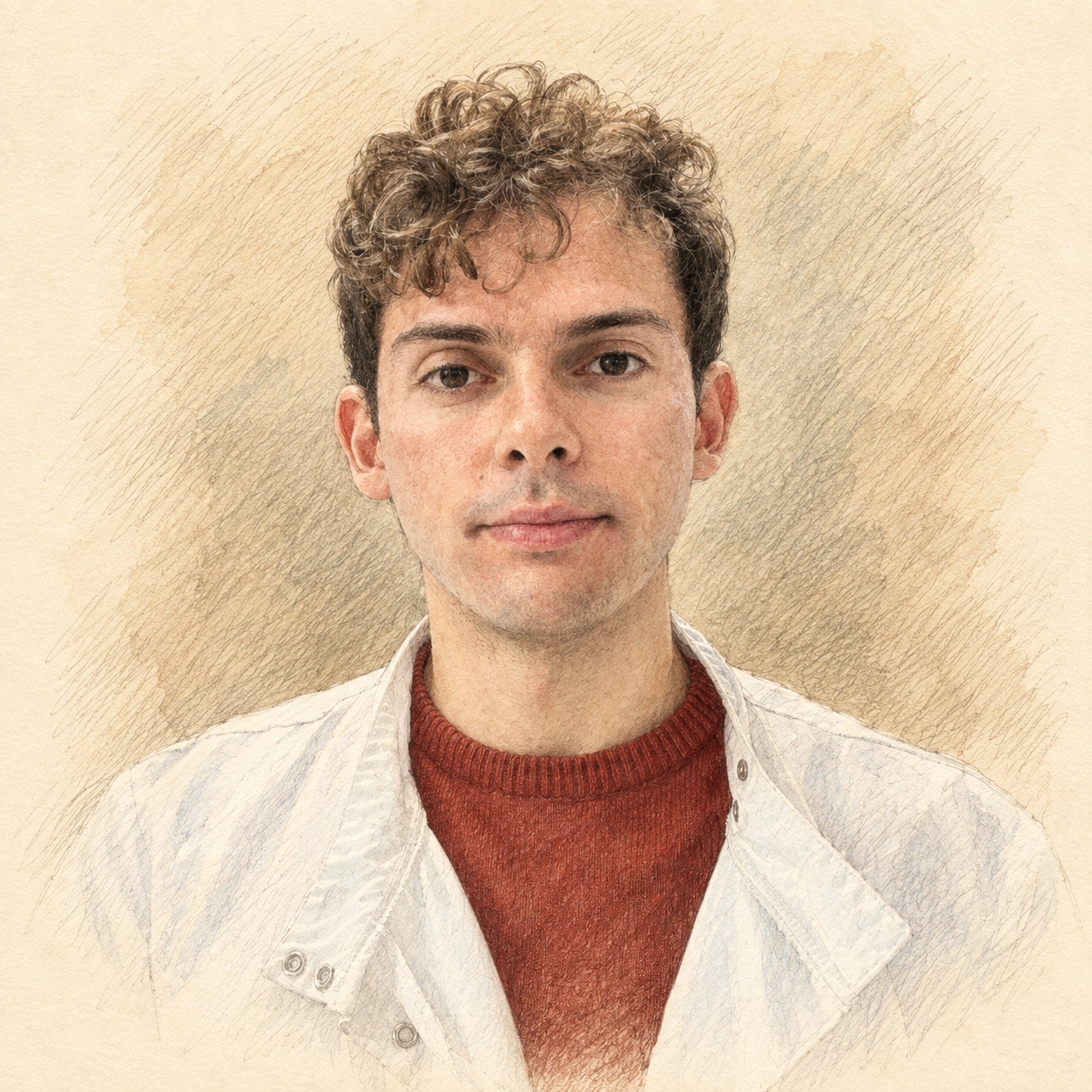
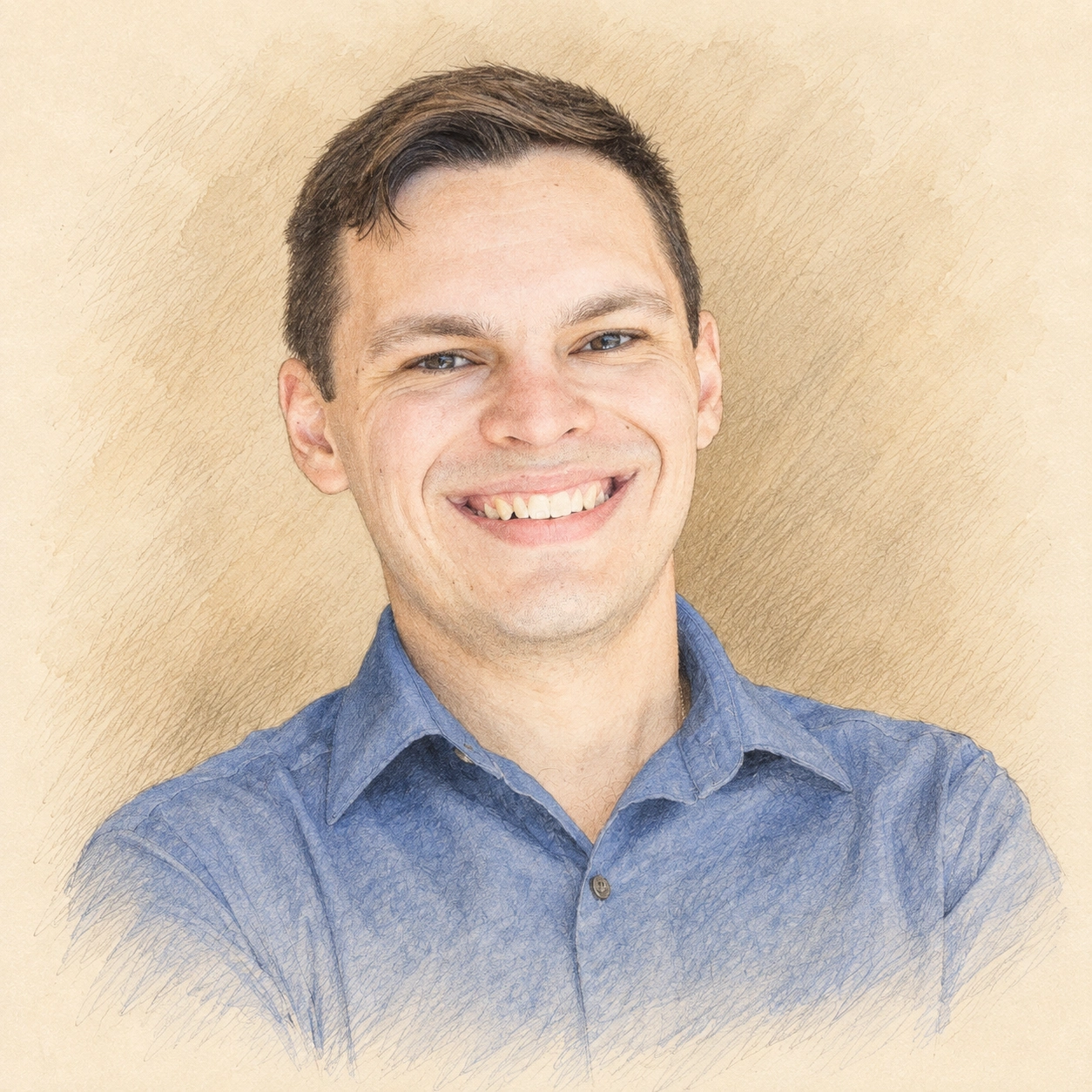
Marton Meszaros proposes studies linking repeated biological samples to health outcomes, testing how meals and illness affect biomarkers, and checking whether treatment-related changes predict benefits to patients.
Nicolas Di Leo reviews patient selection, dosing and endpoints in human mTOR trials to guide future studies. Whether these drugs extend human life remains to be established.