

News & Updates
Round 3: results announced
In September 2023, in collaboration with Hevolution and Rosenkranz Foundations, we concluded our Round 3 of Impetus funding. This year we got more applications than in all the previous rounds combined. In under 2 month since launch our team read 1050 applications and committed to funding 34 of them, giving out close to $10M.
770 of the applicants were applying to Impetus for the first time.
368 of all the proposals came from labs that have never worked on aging before and were looking to transition into the field.
The acceptance rate by roles was:
3.4% for professors (majority of these being Assistant Professors),
3.3% for postdocs,
2.3% for graduate students,
and 2.9% for all the roles (non-profits and independent applicants).
12 of the 34 of projects we funded came from labs that are new to aging space or haven’t worked on aging projects before.
As evident by these numbers, competition in Round 3 was much higher than before and we had to reject many scientifically sound projects. We congratulate all the awardees on this outstanding achievement!
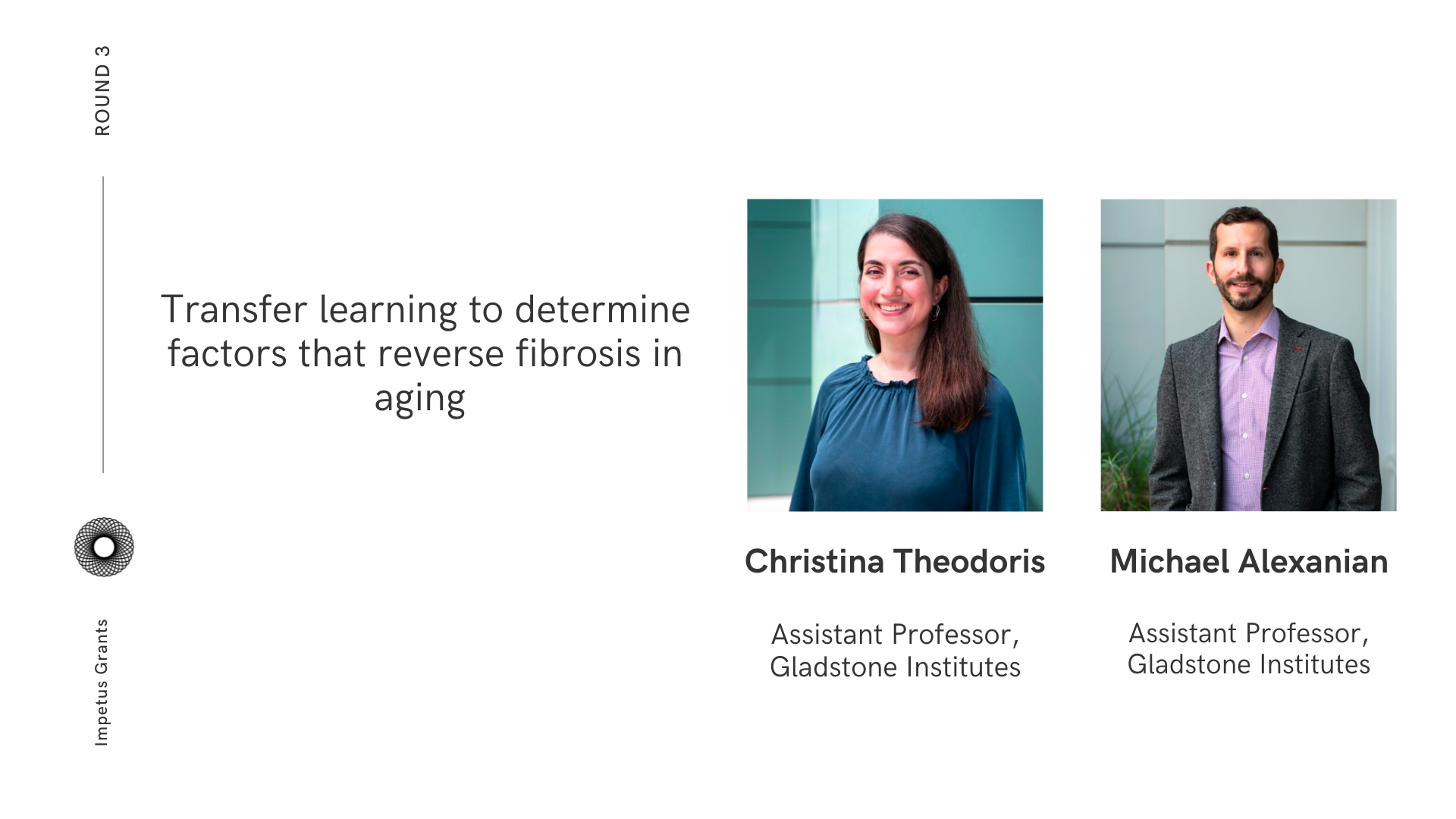
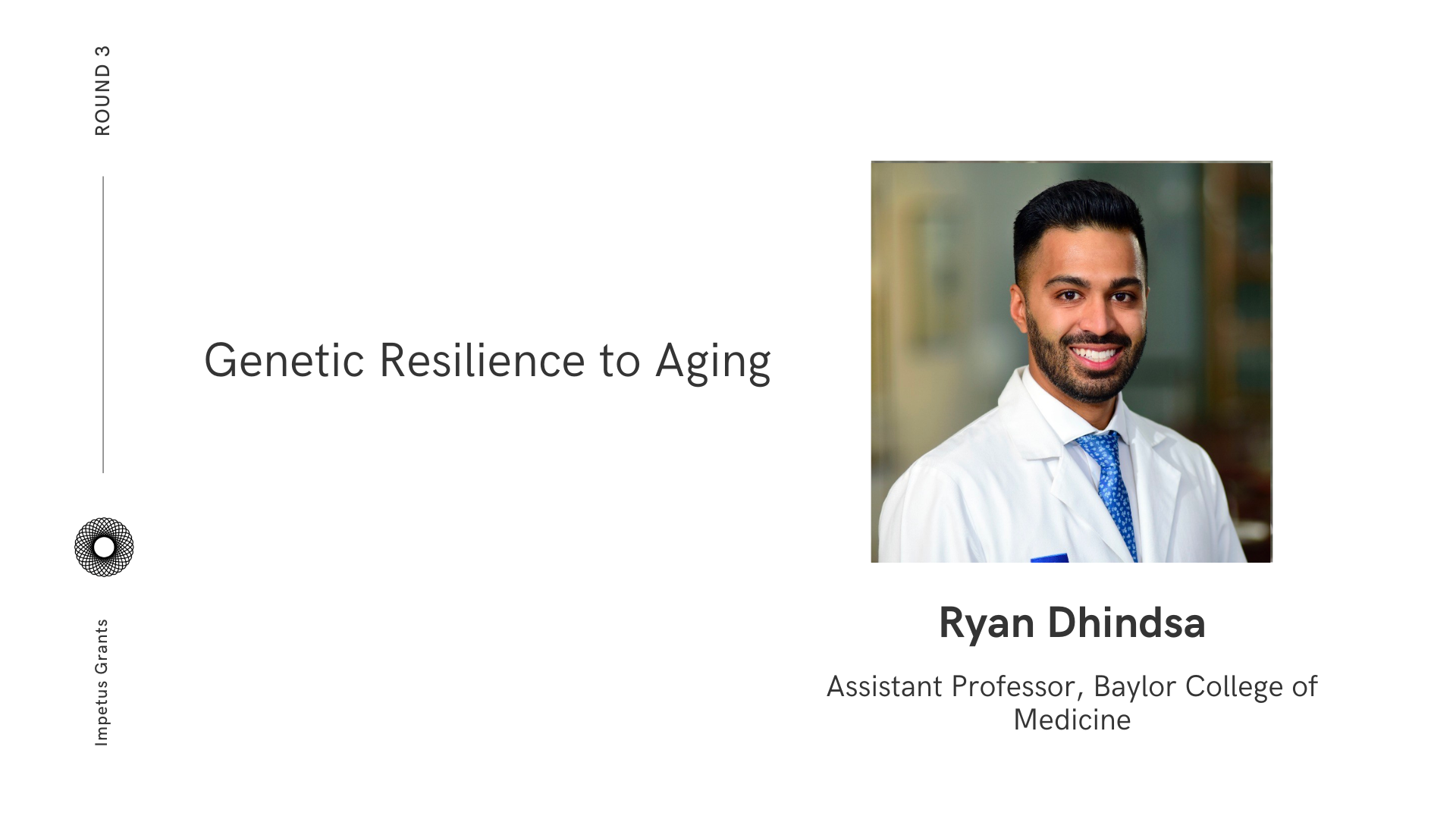
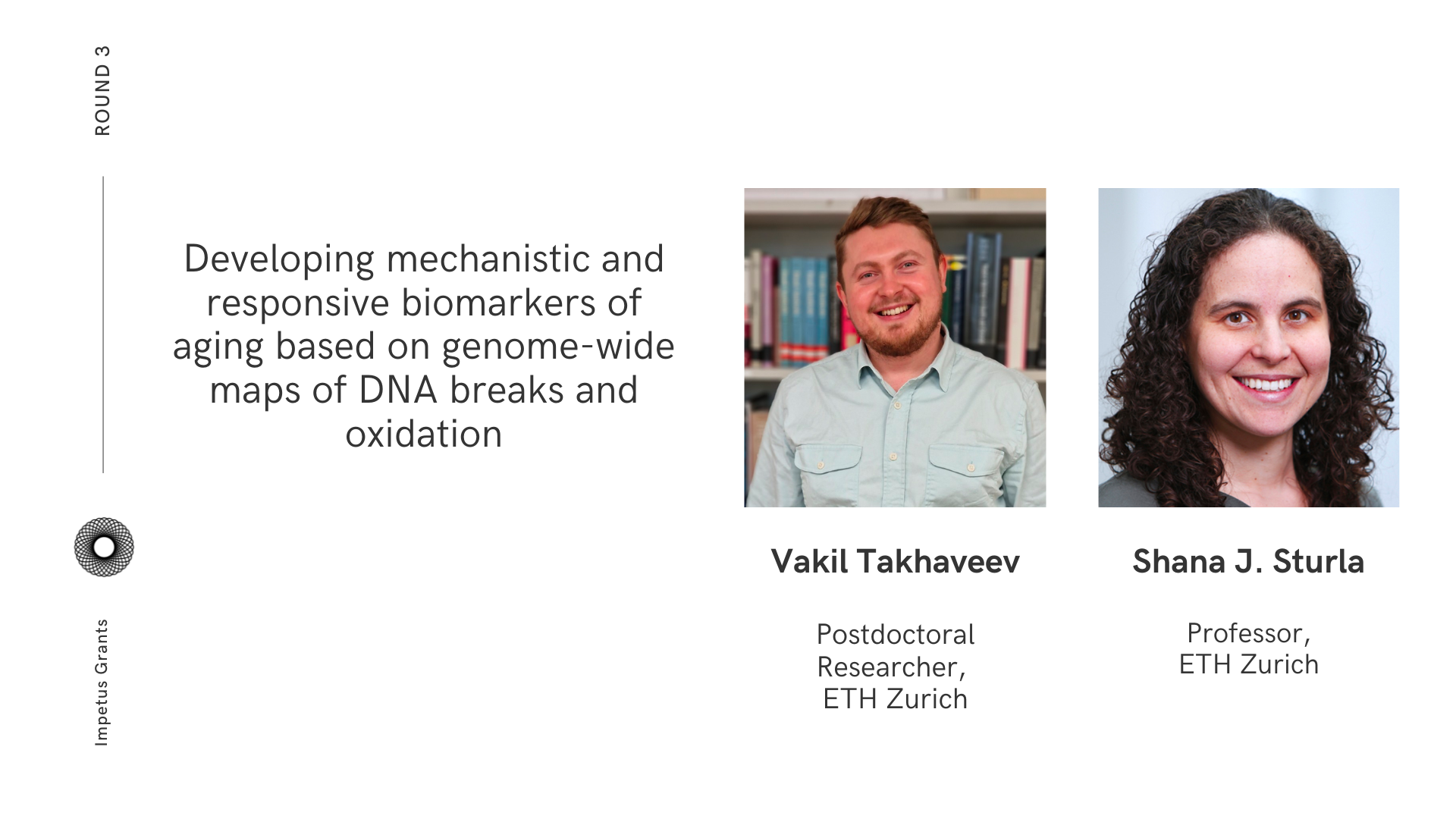
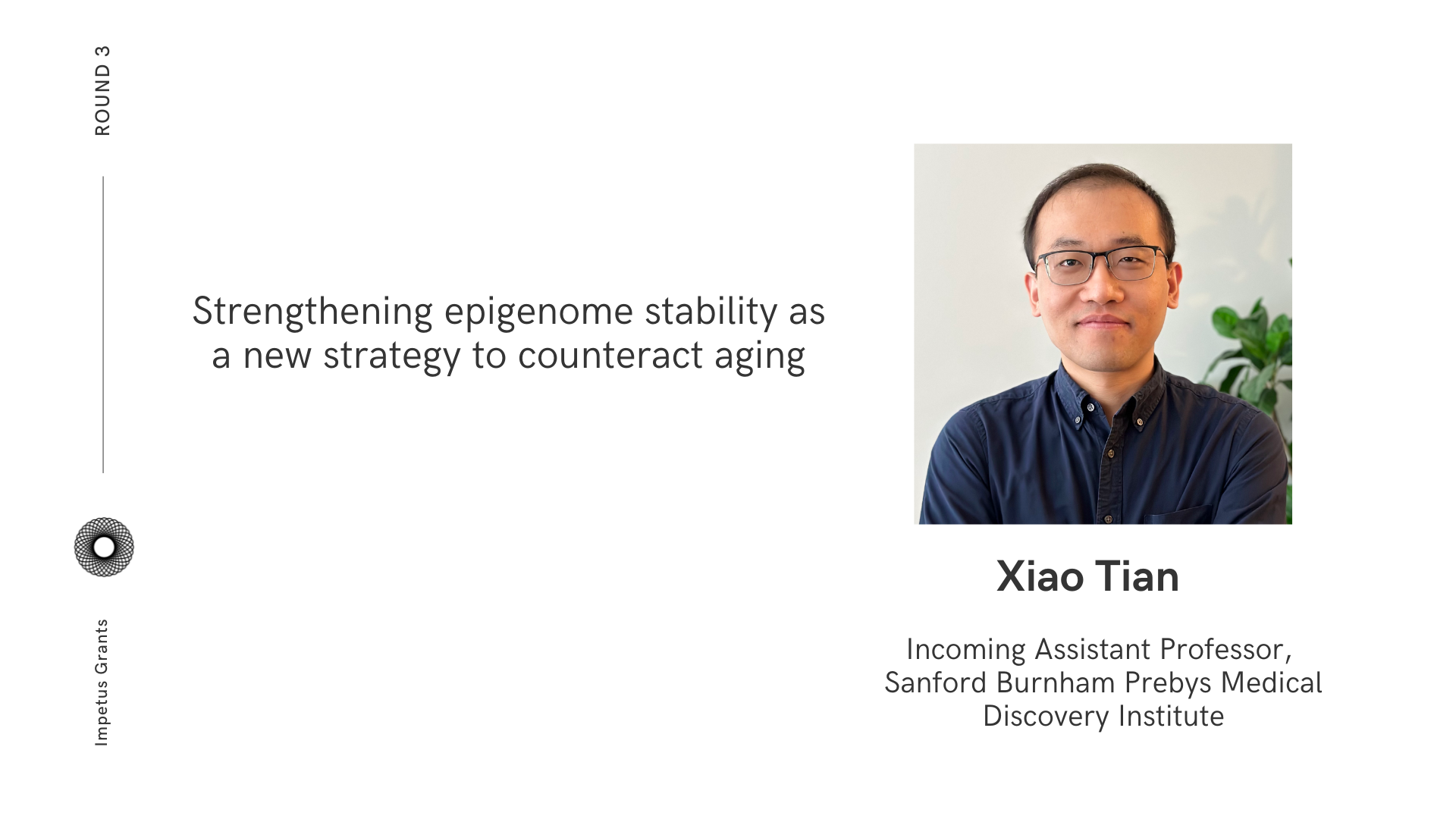
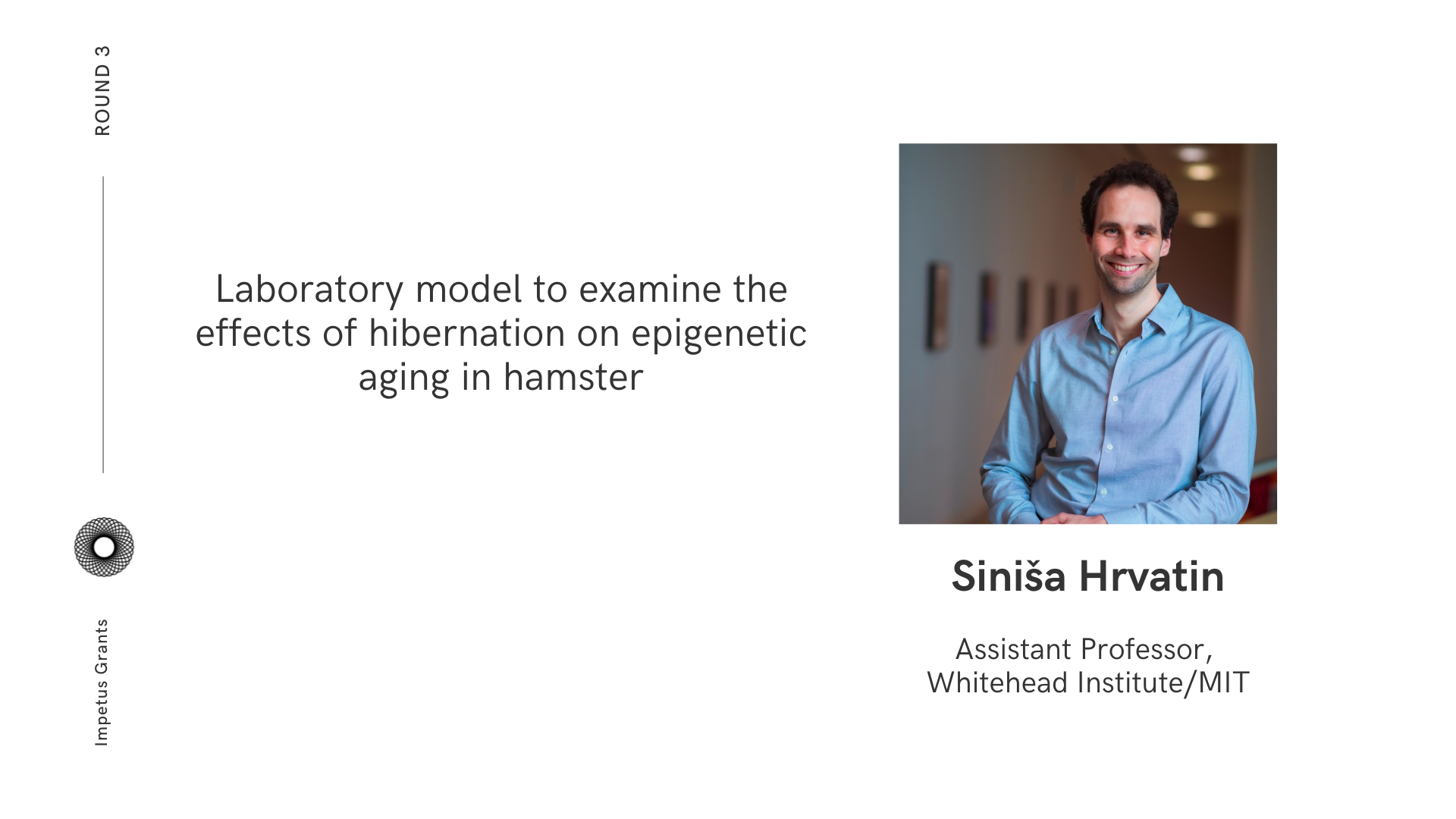
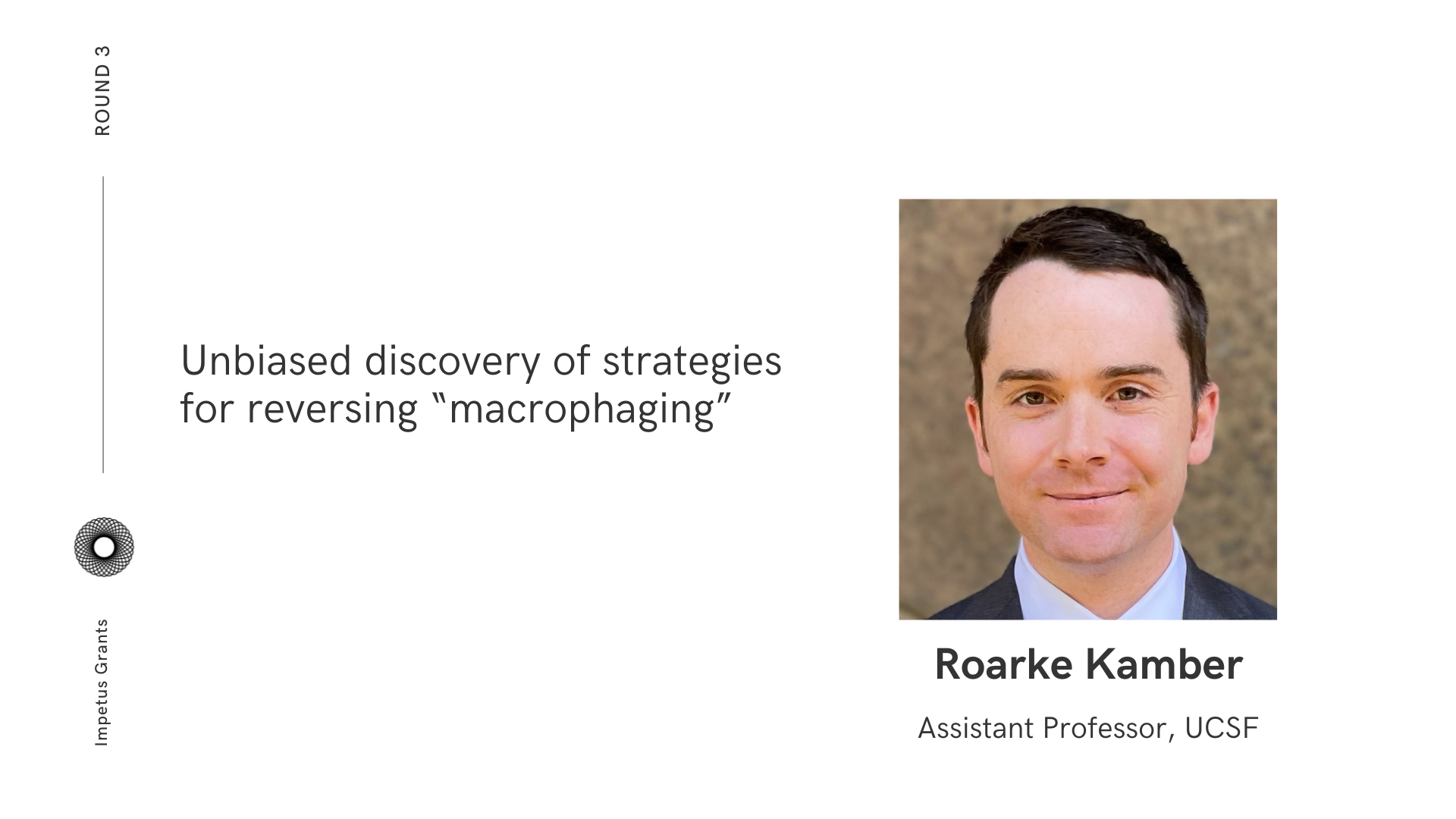
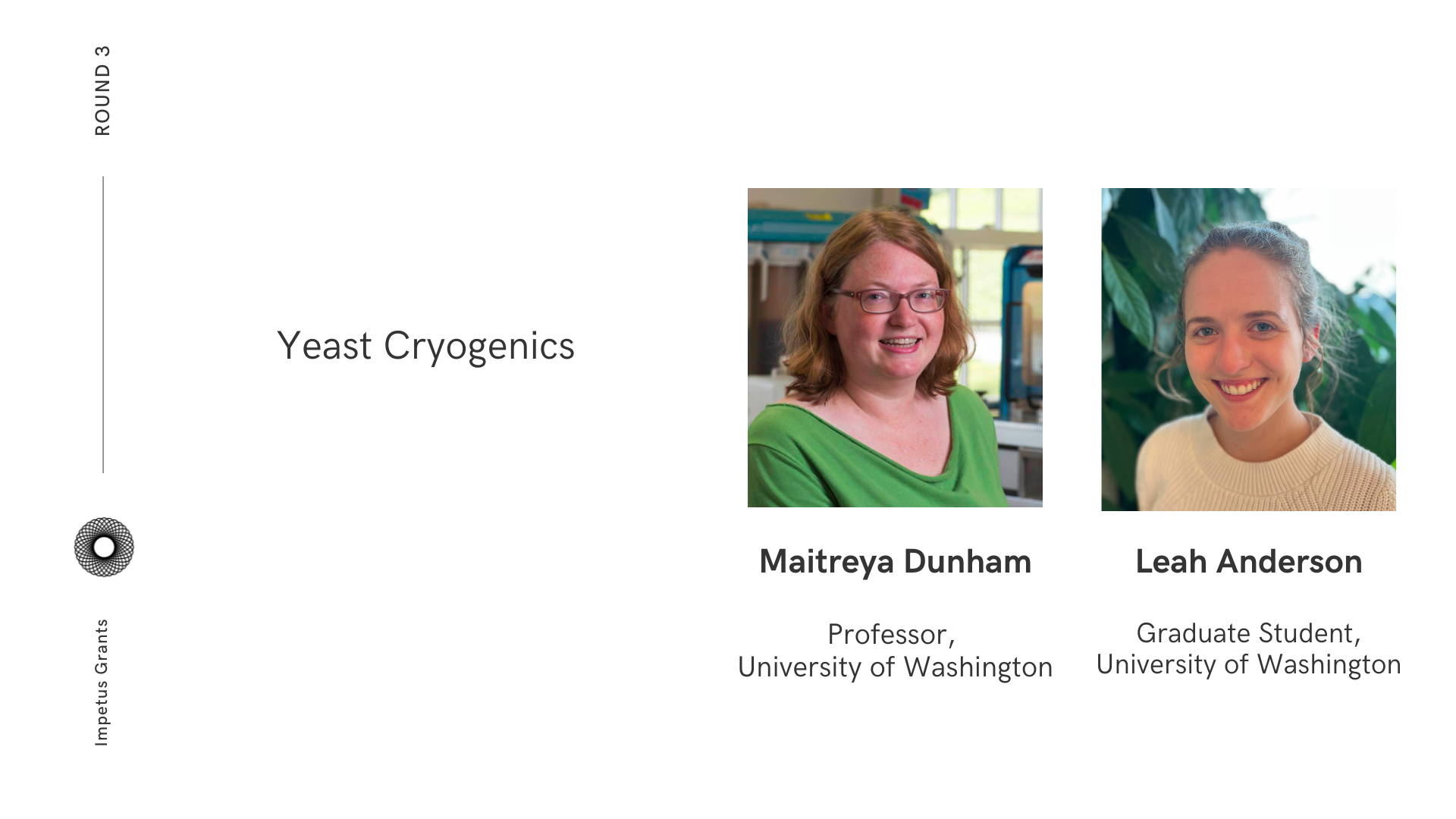
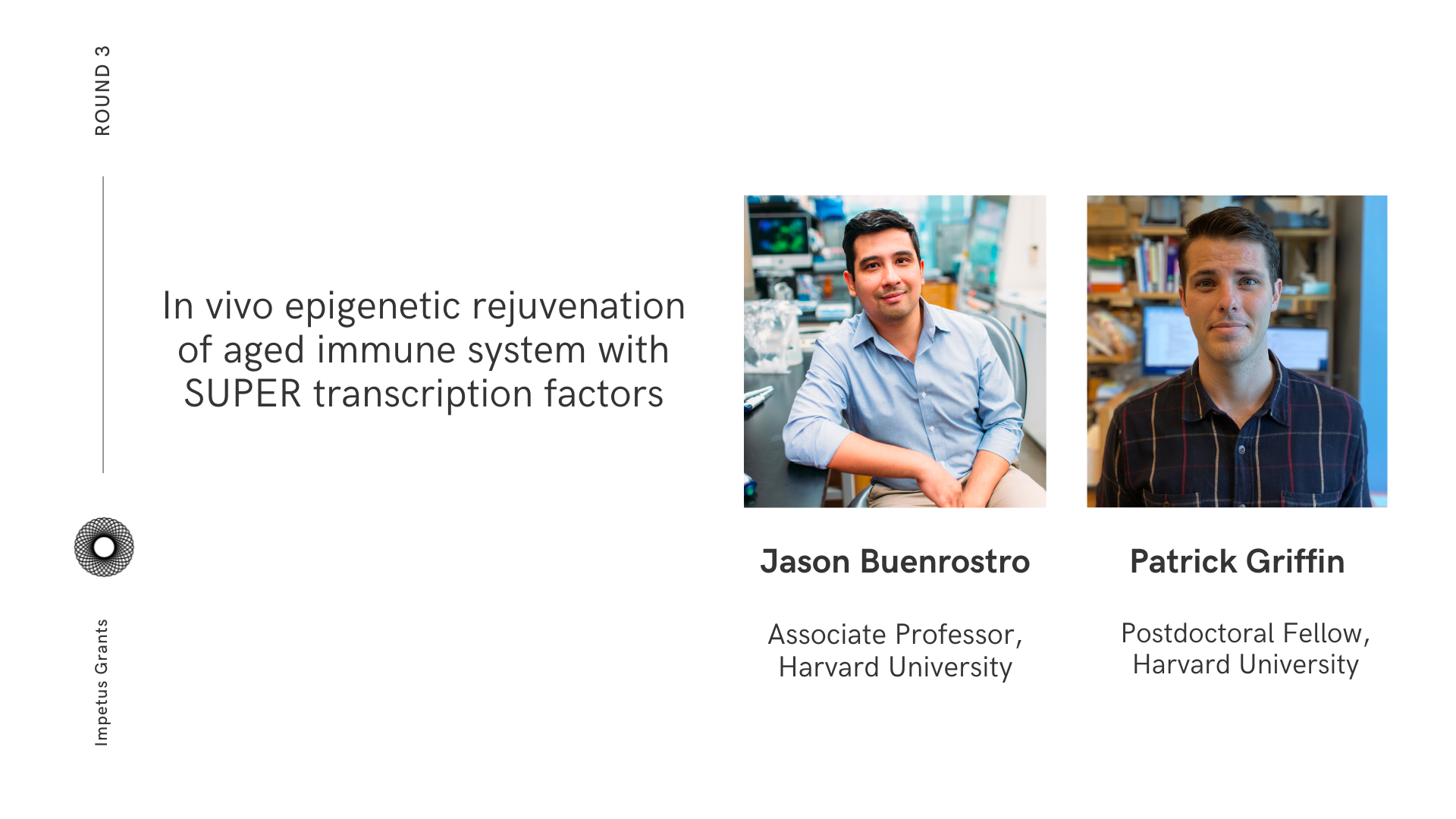
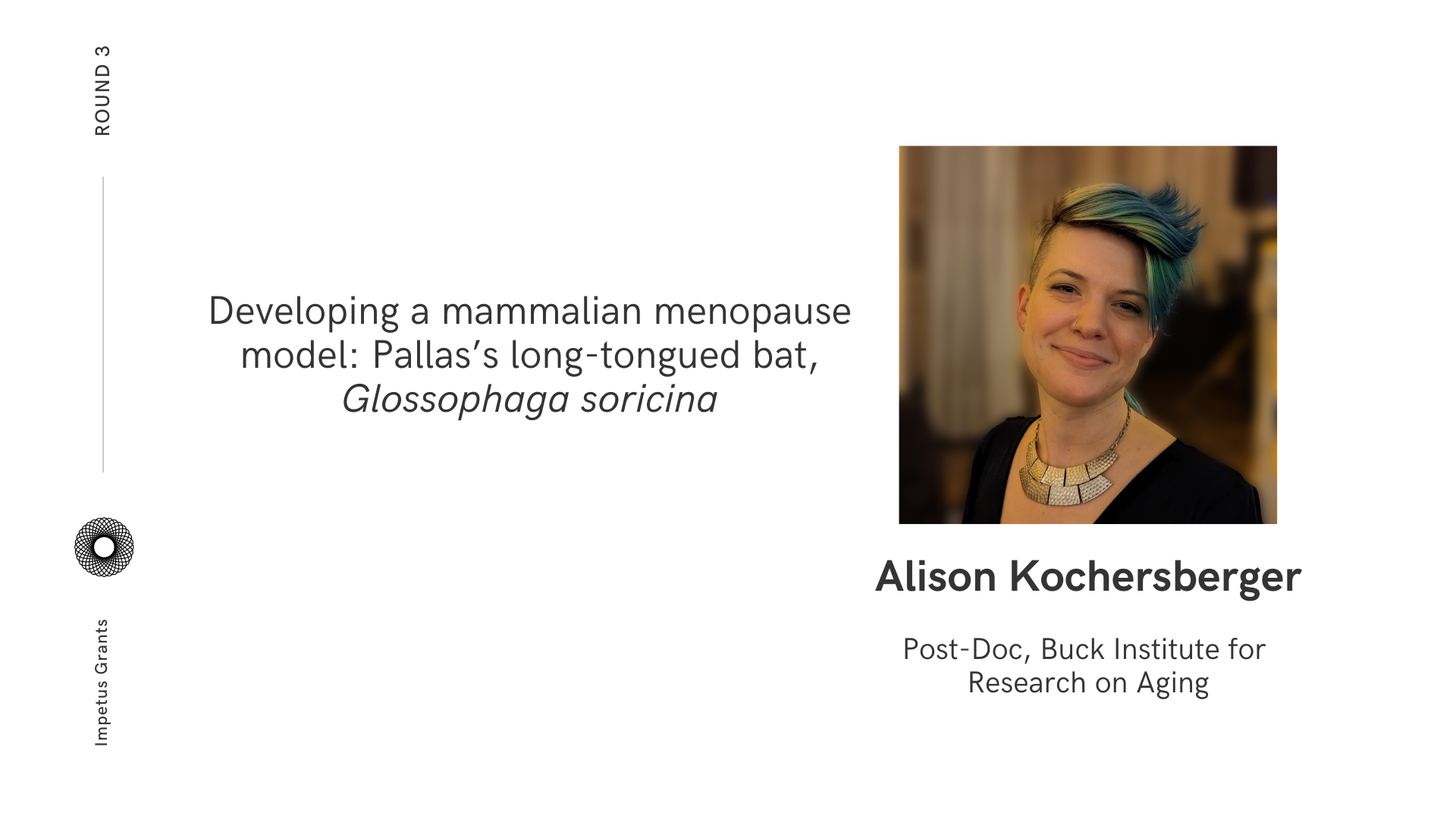
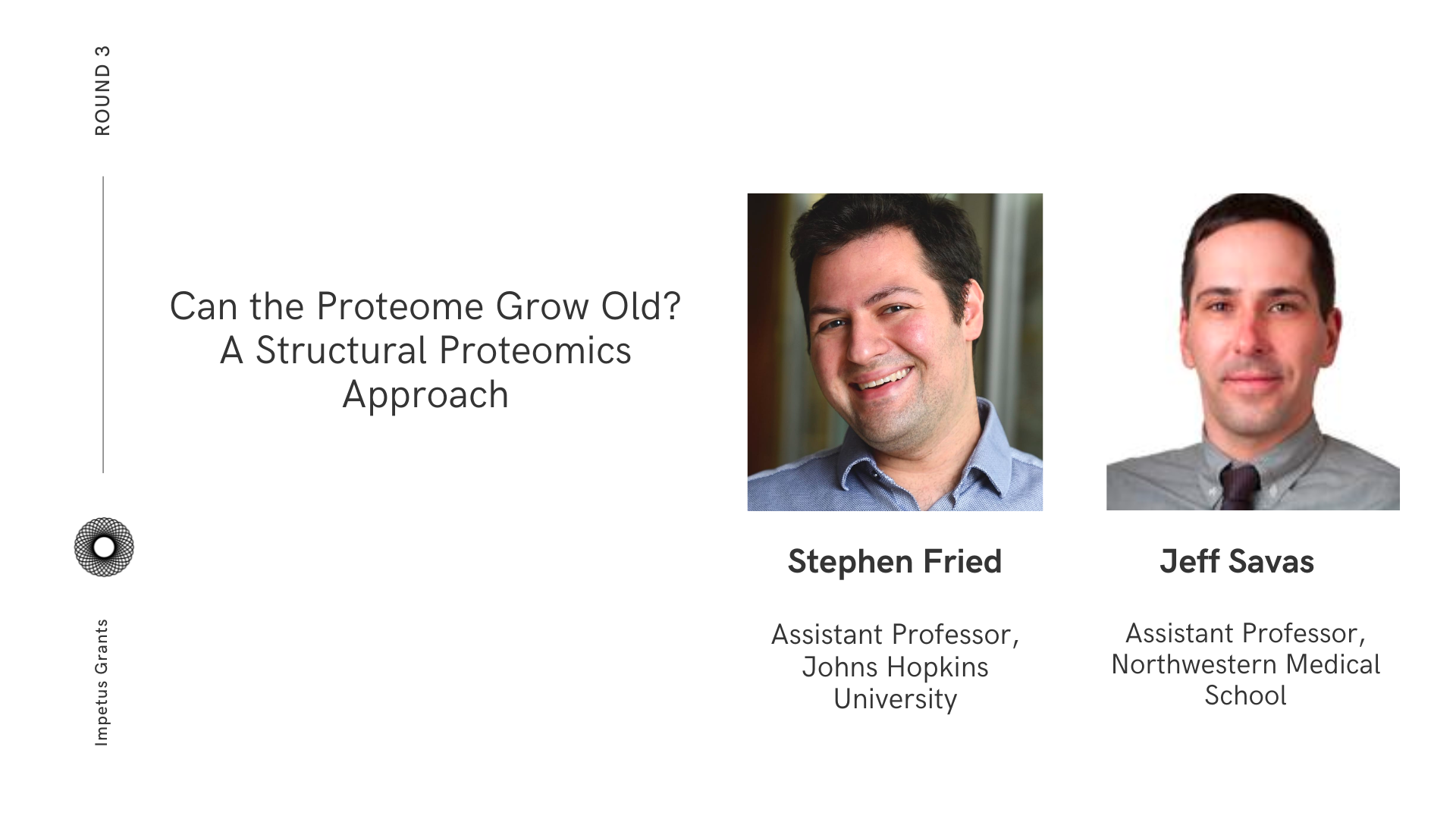
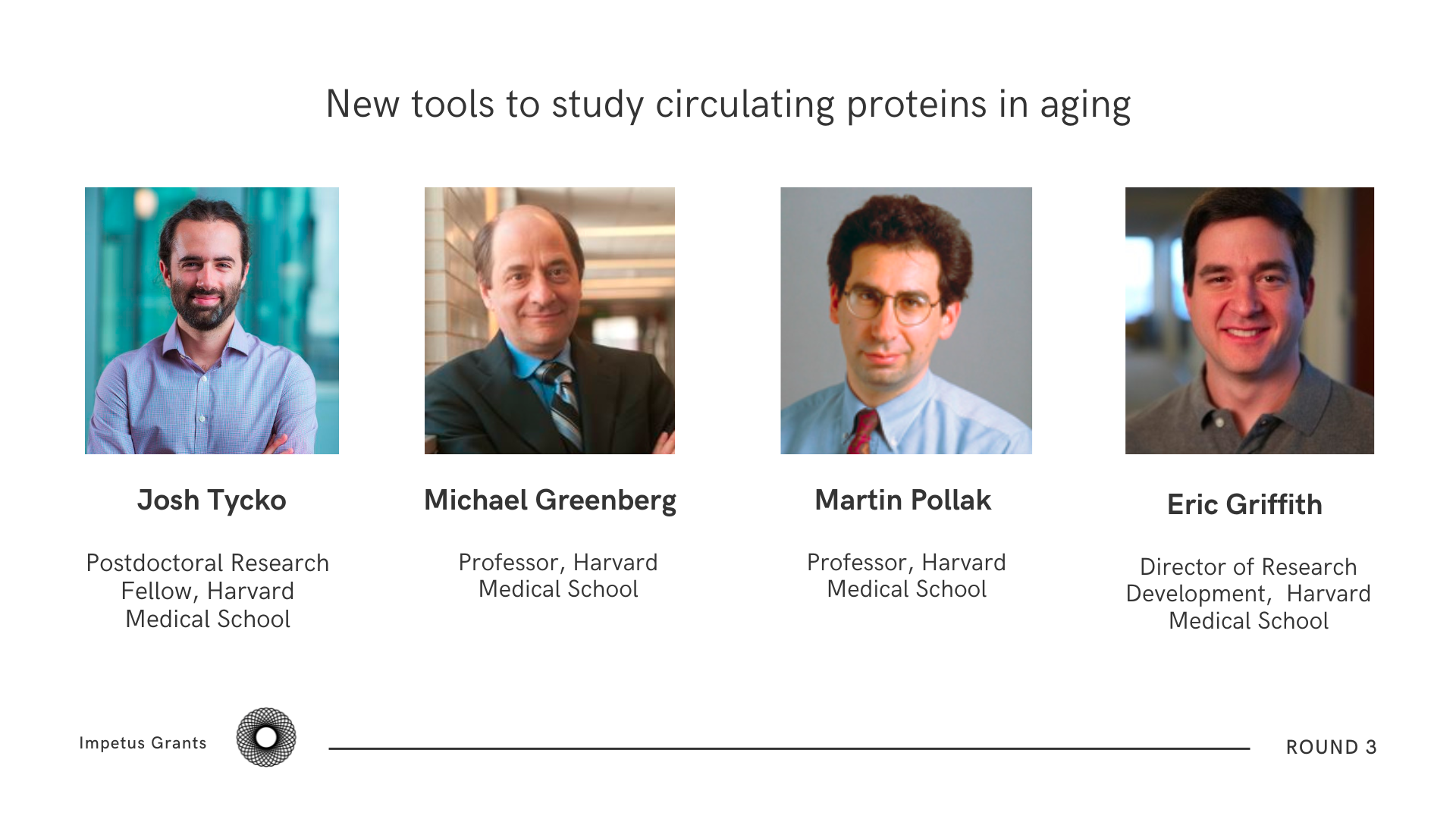
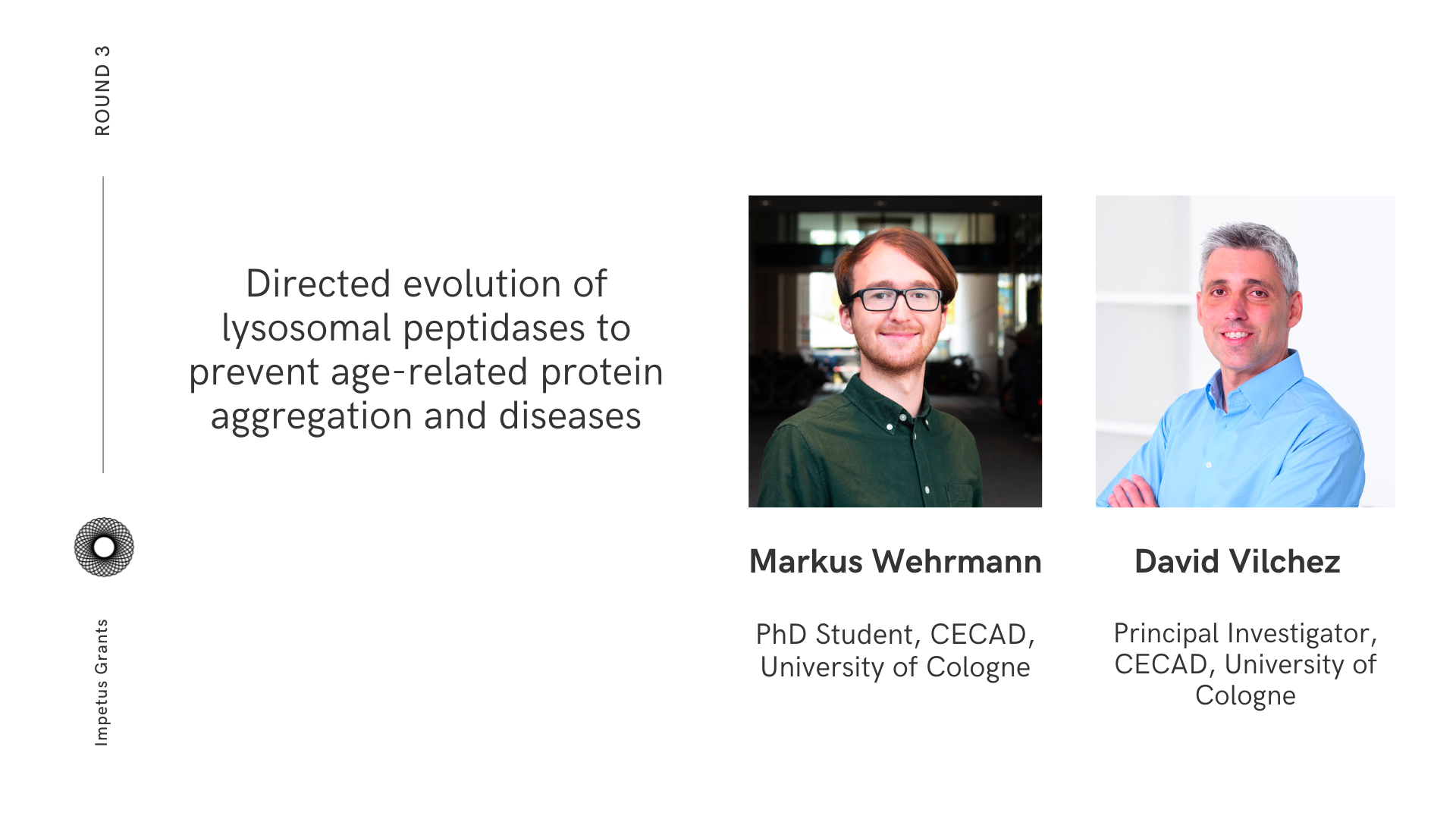
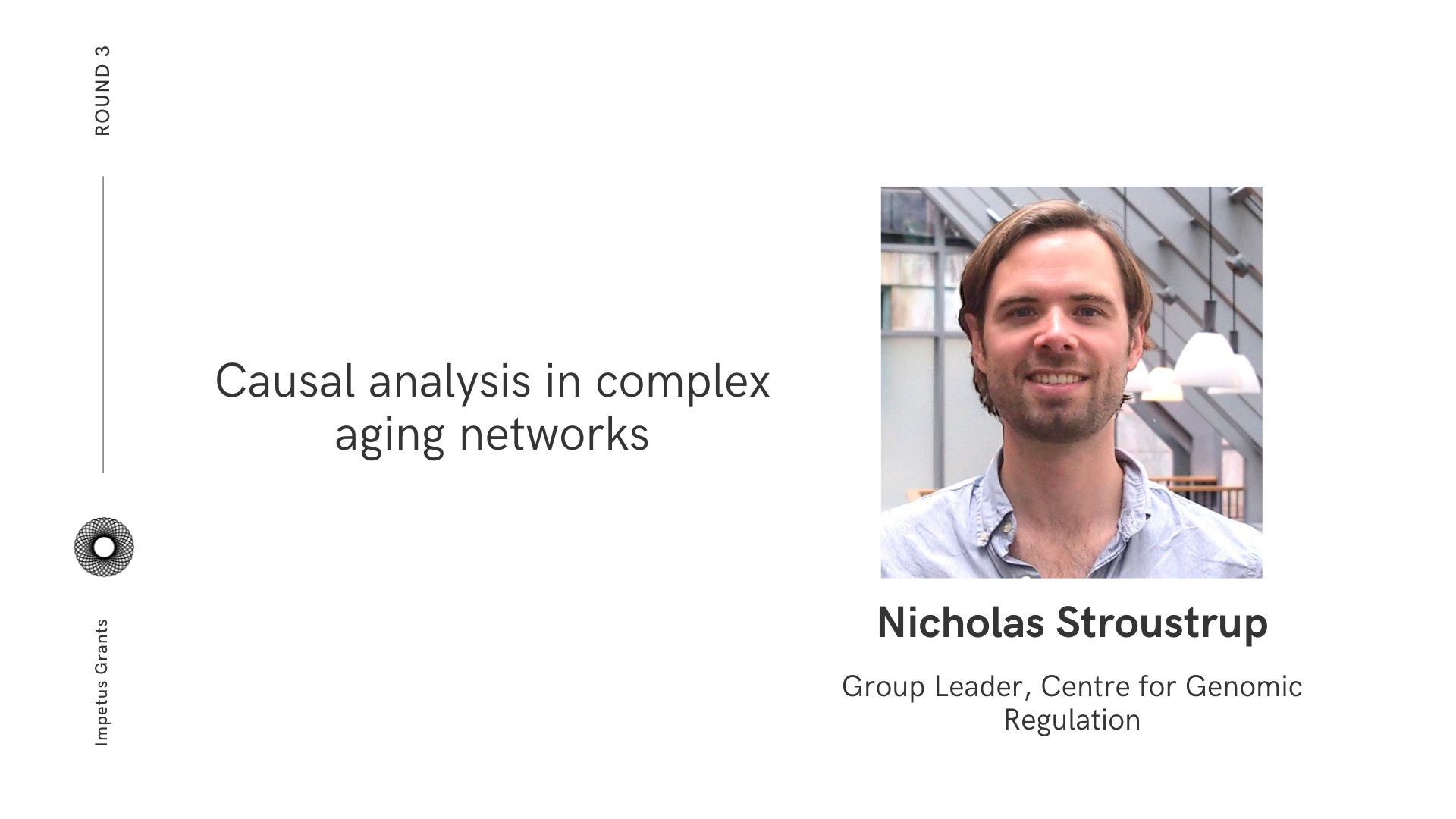
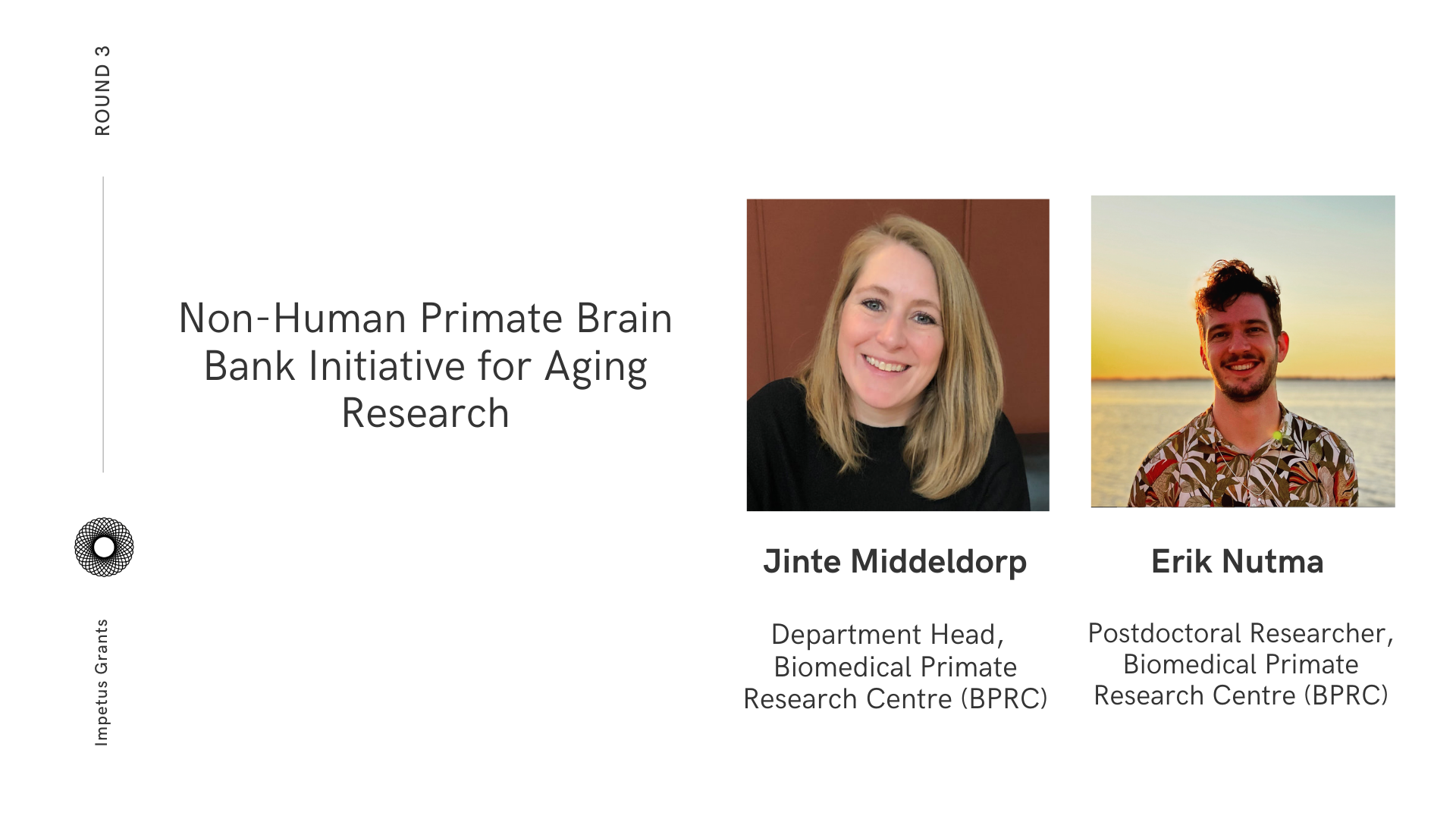
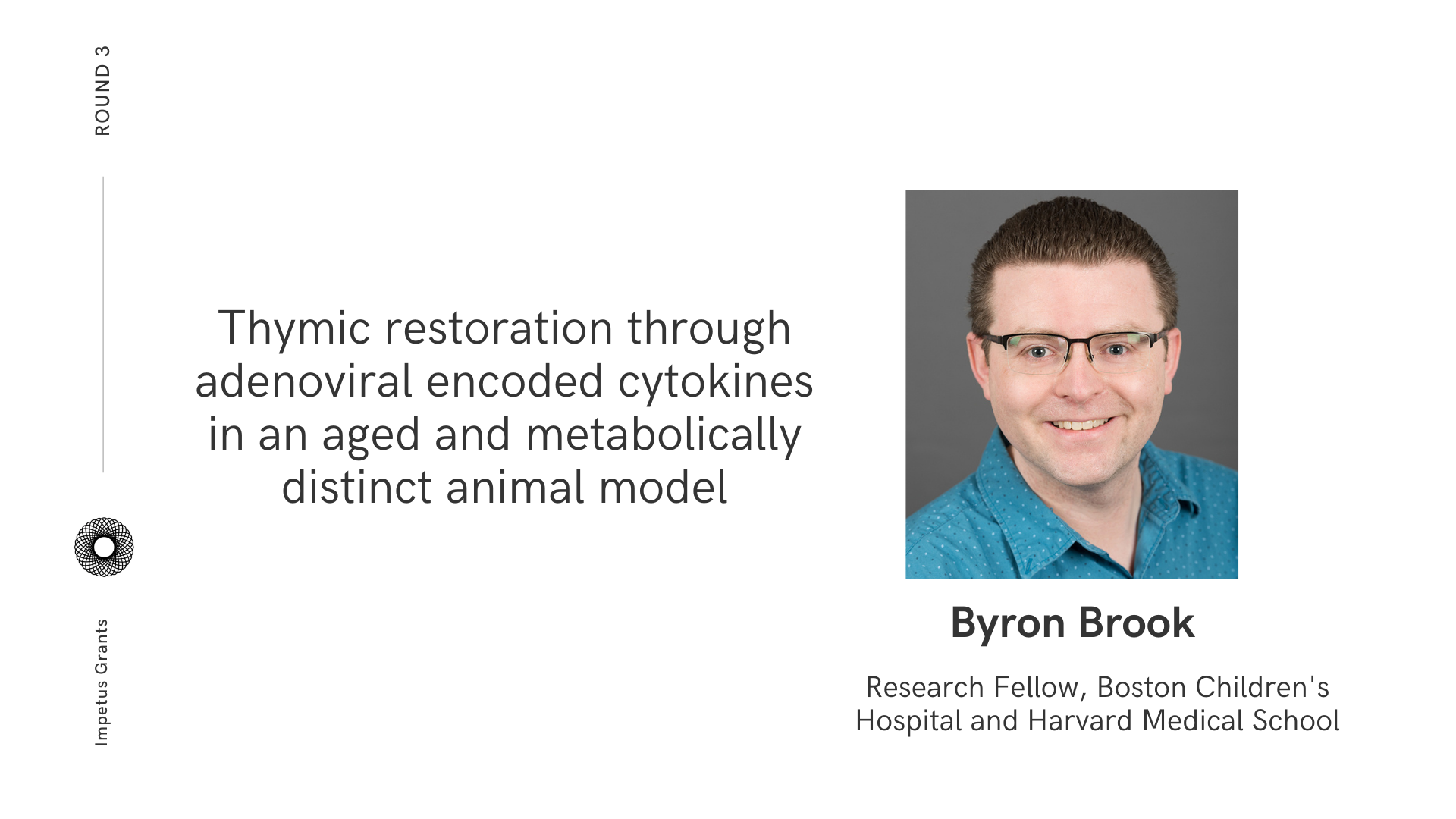
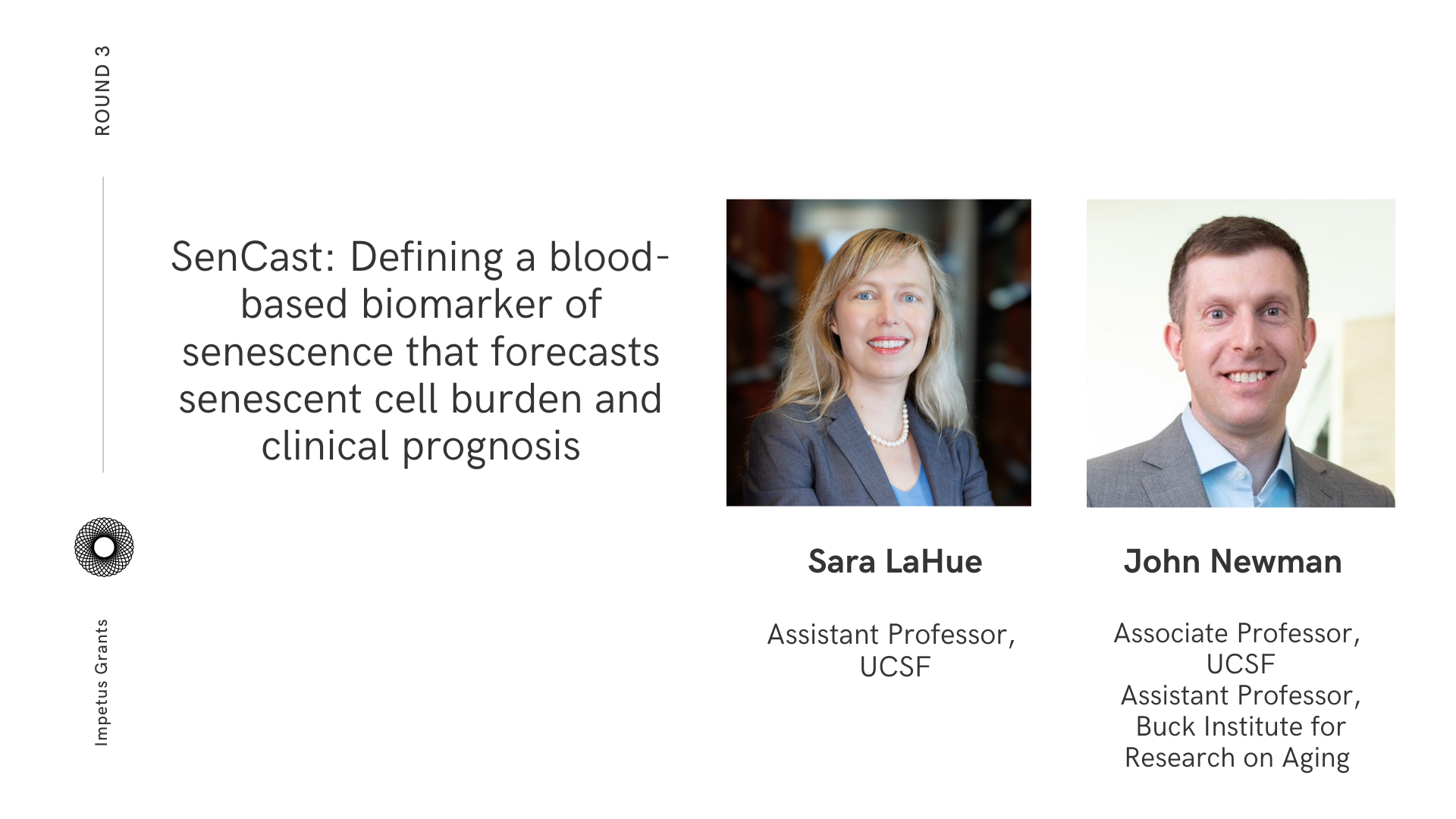
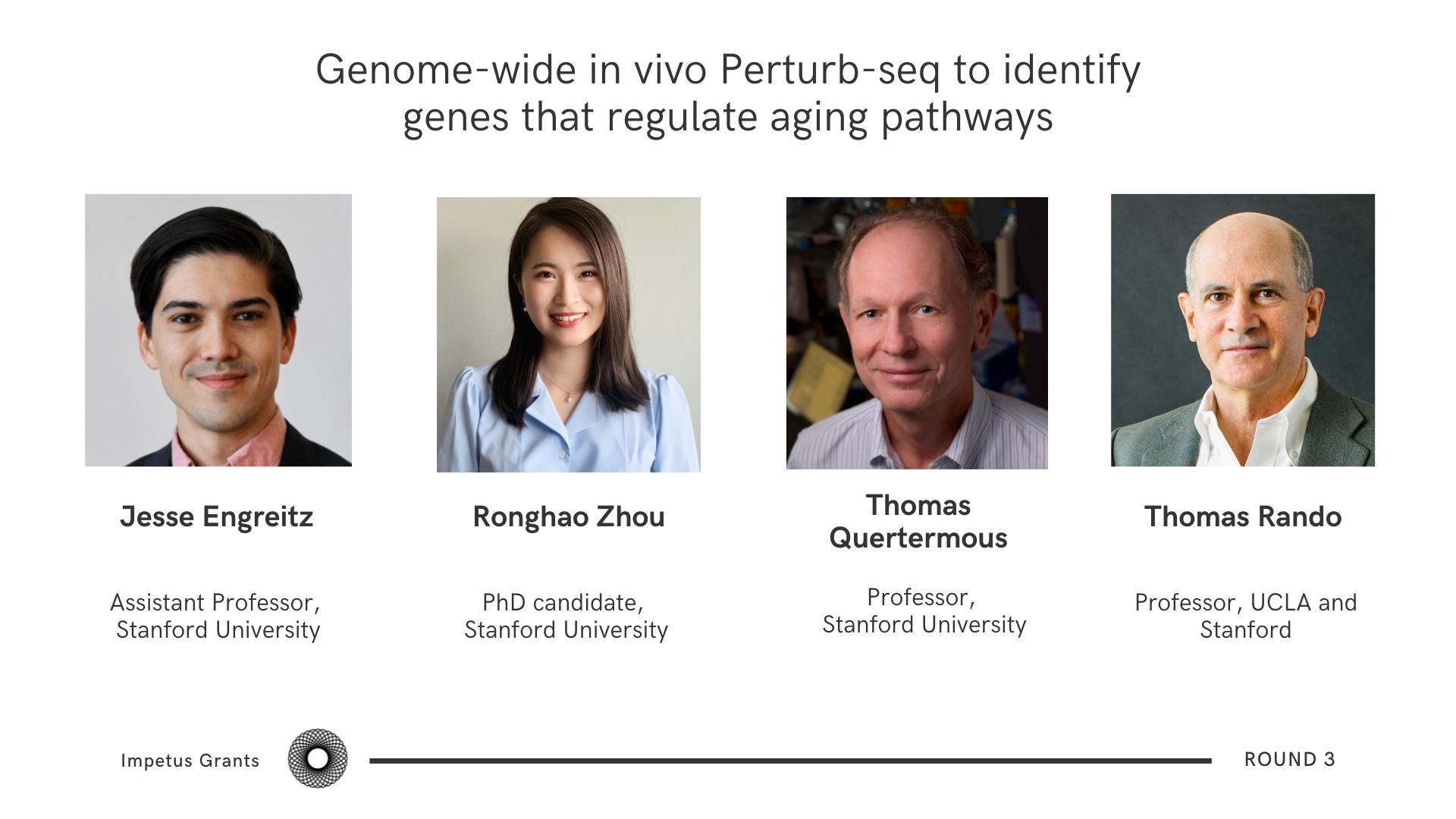
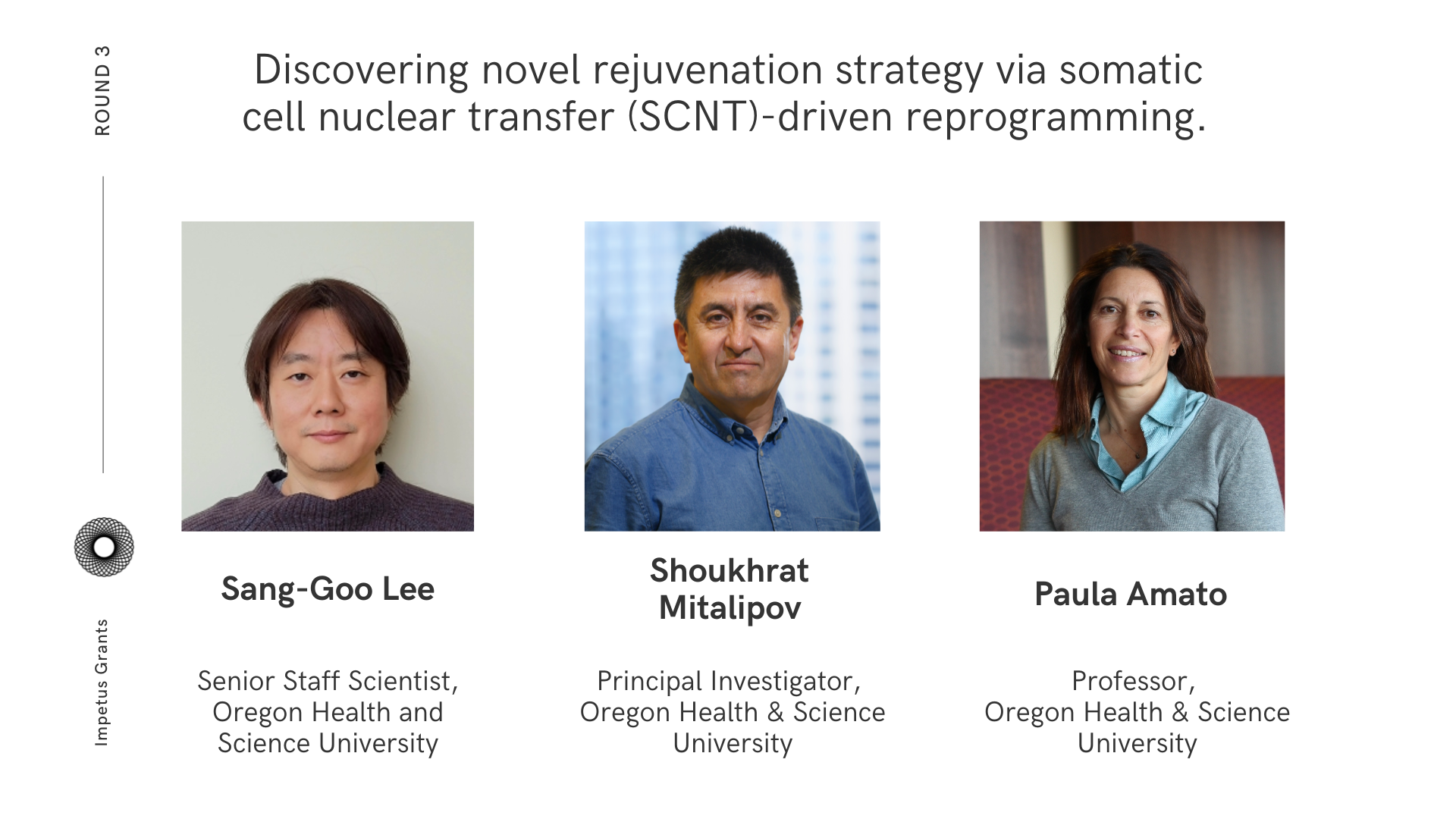
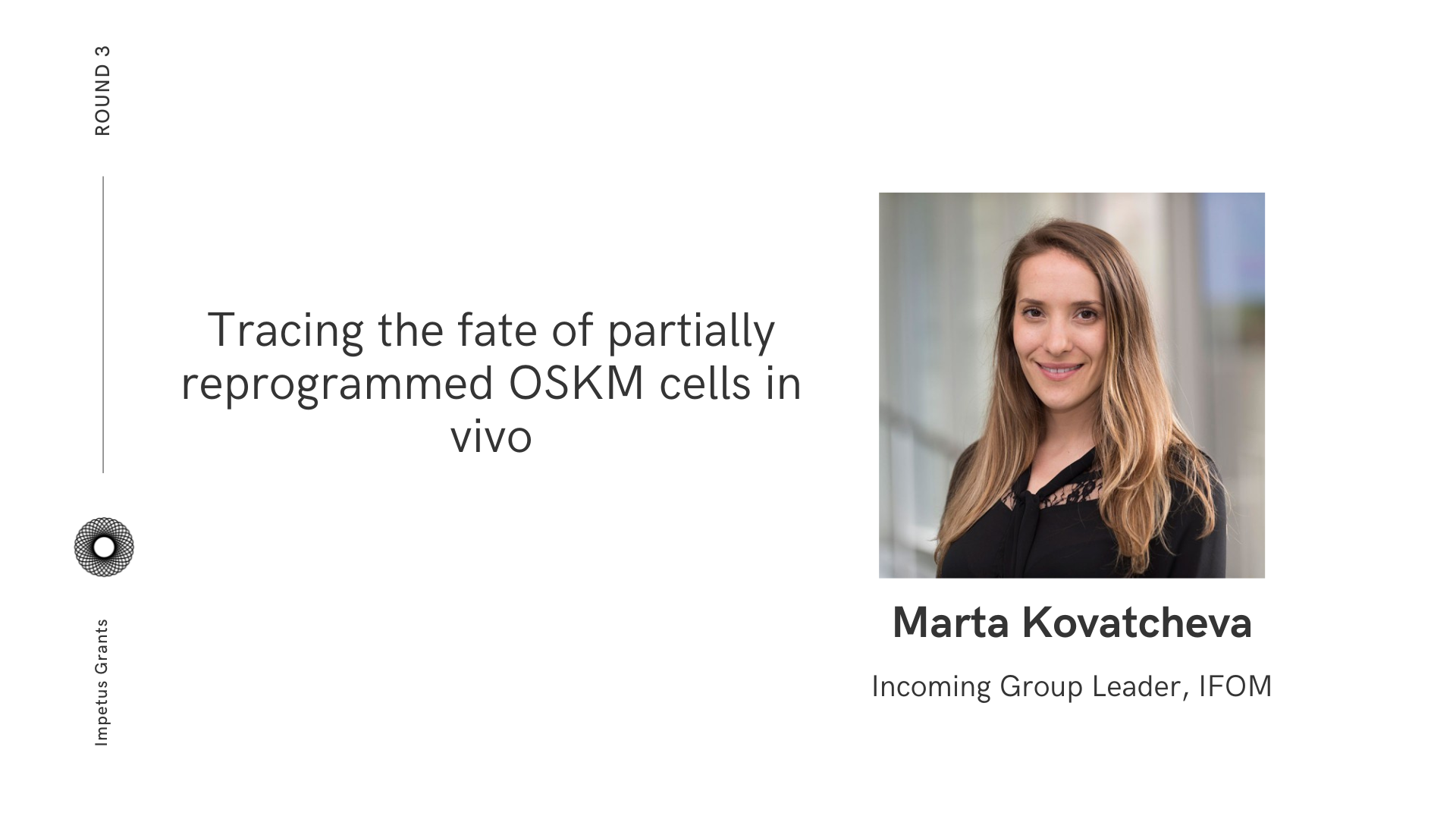
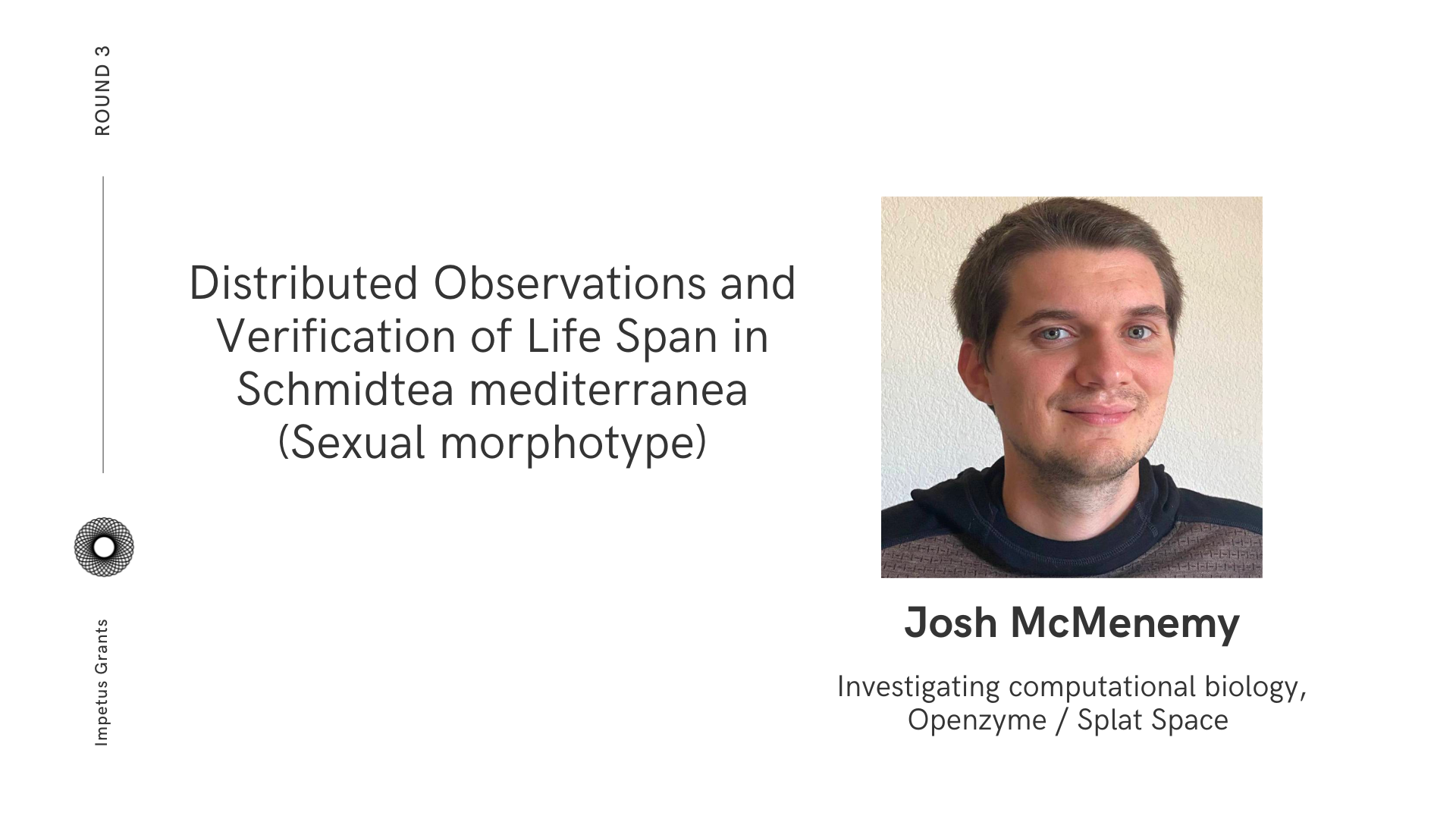
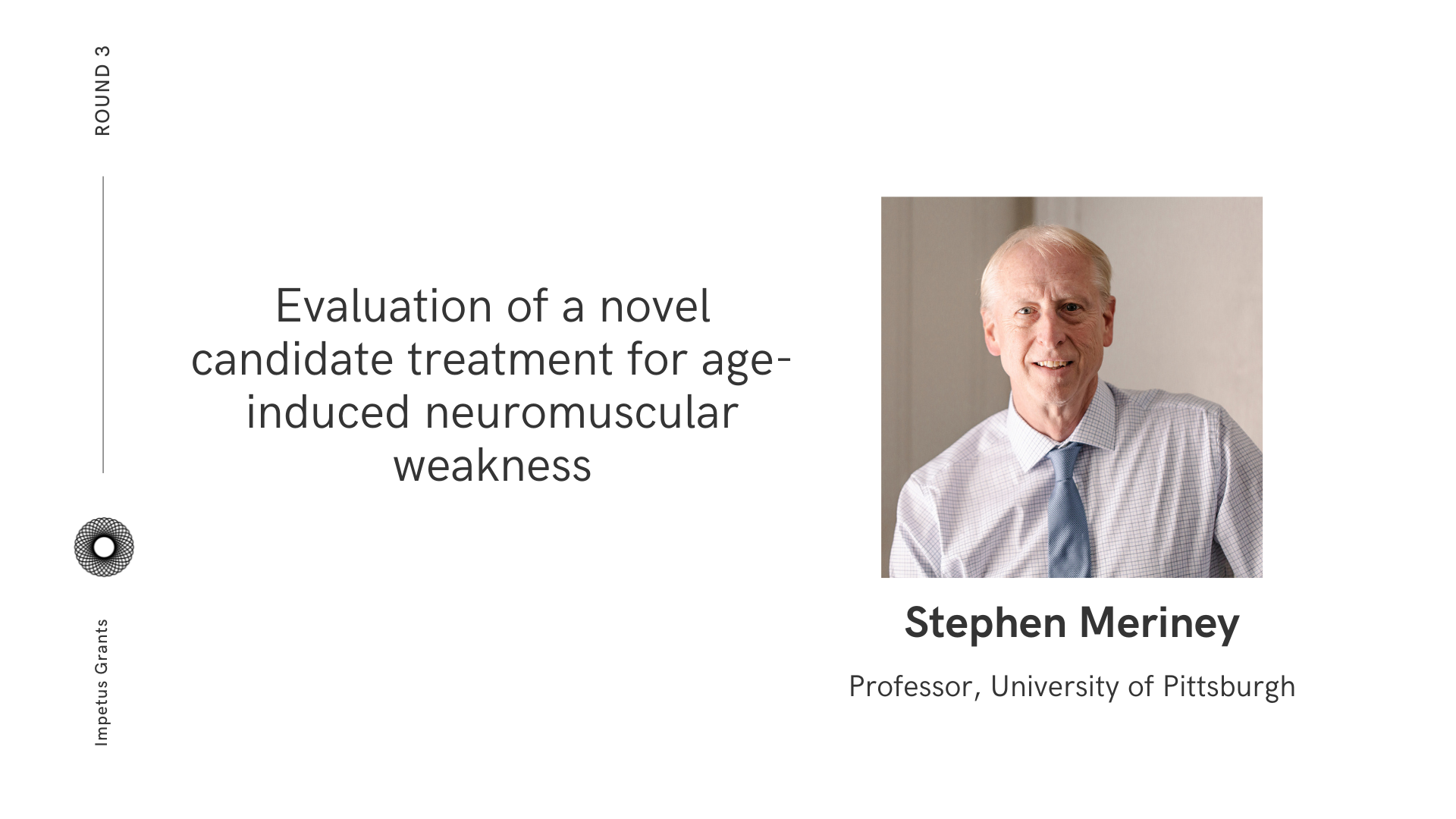
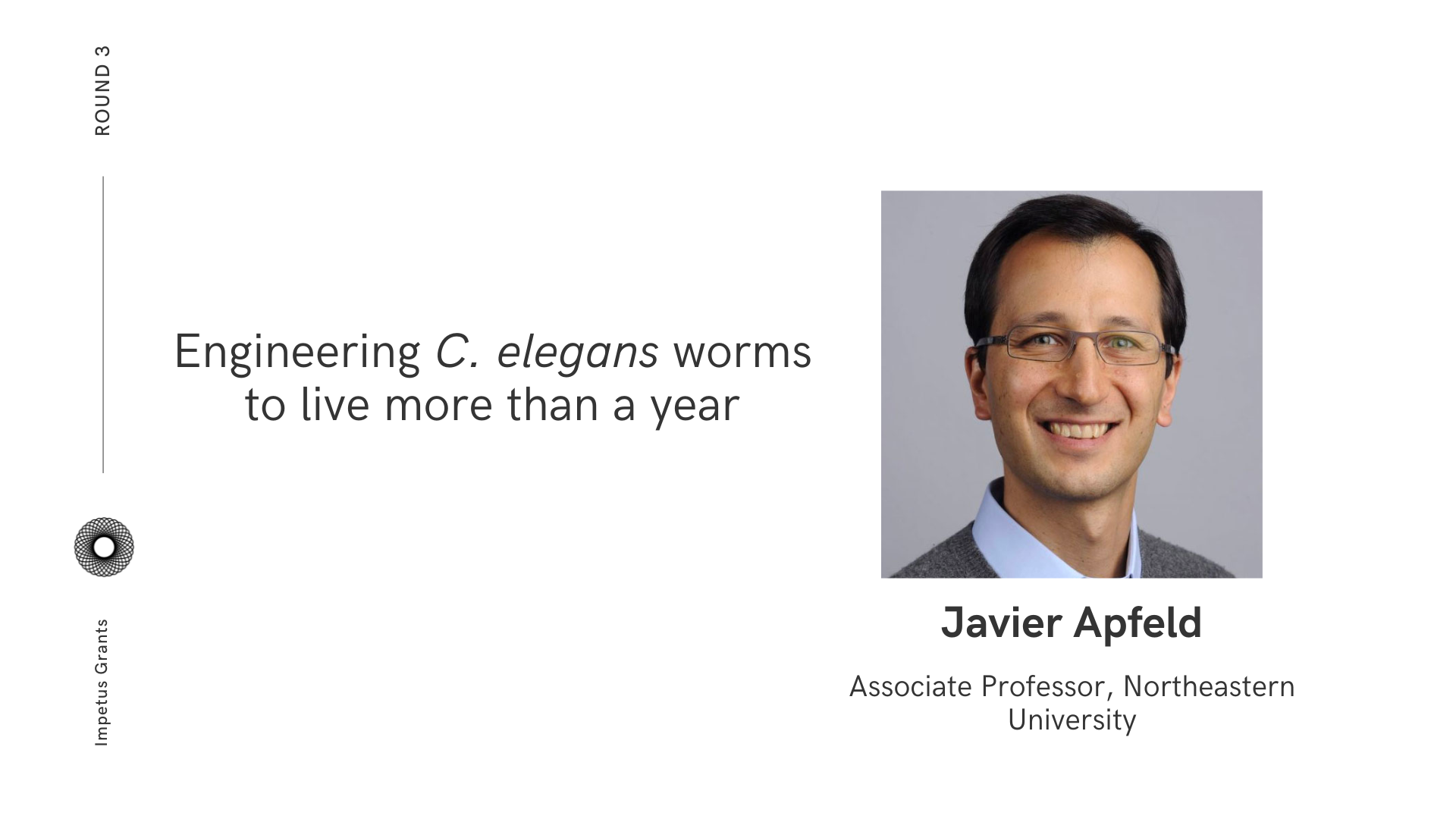
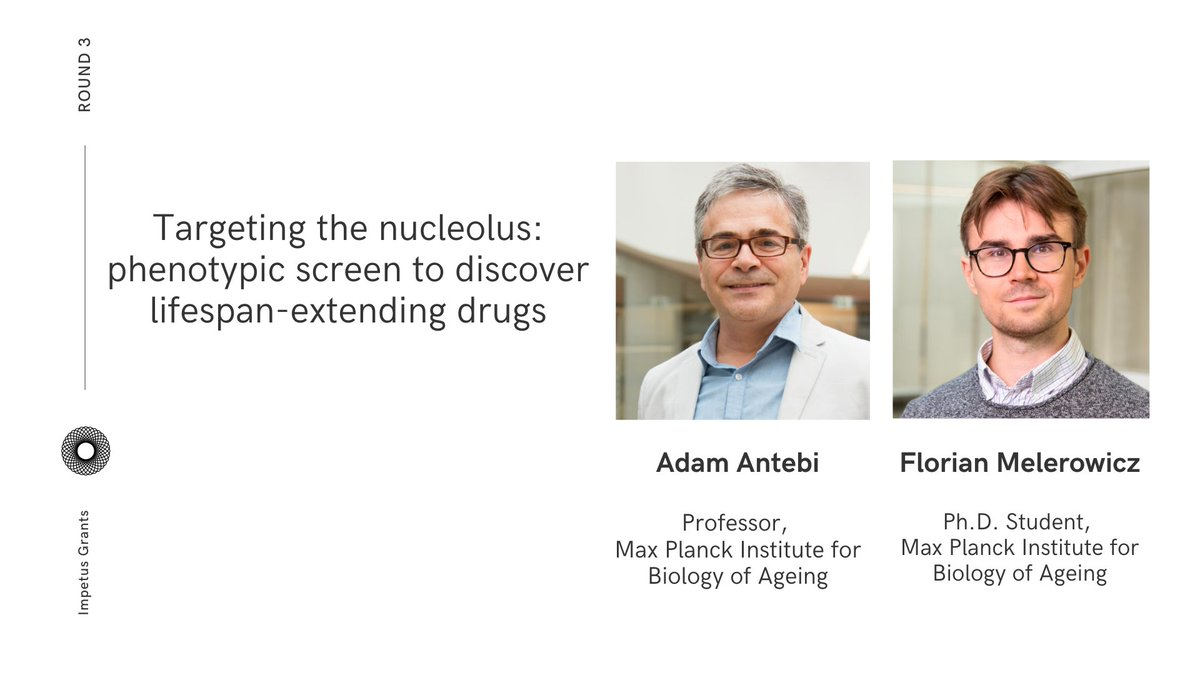
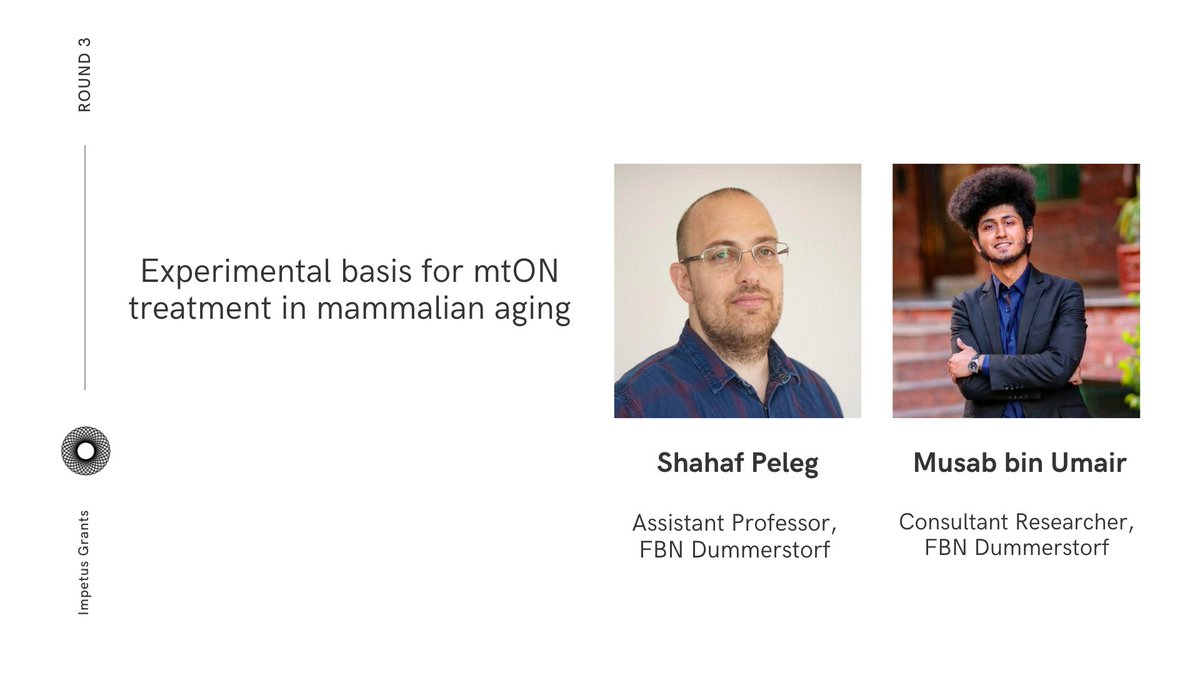
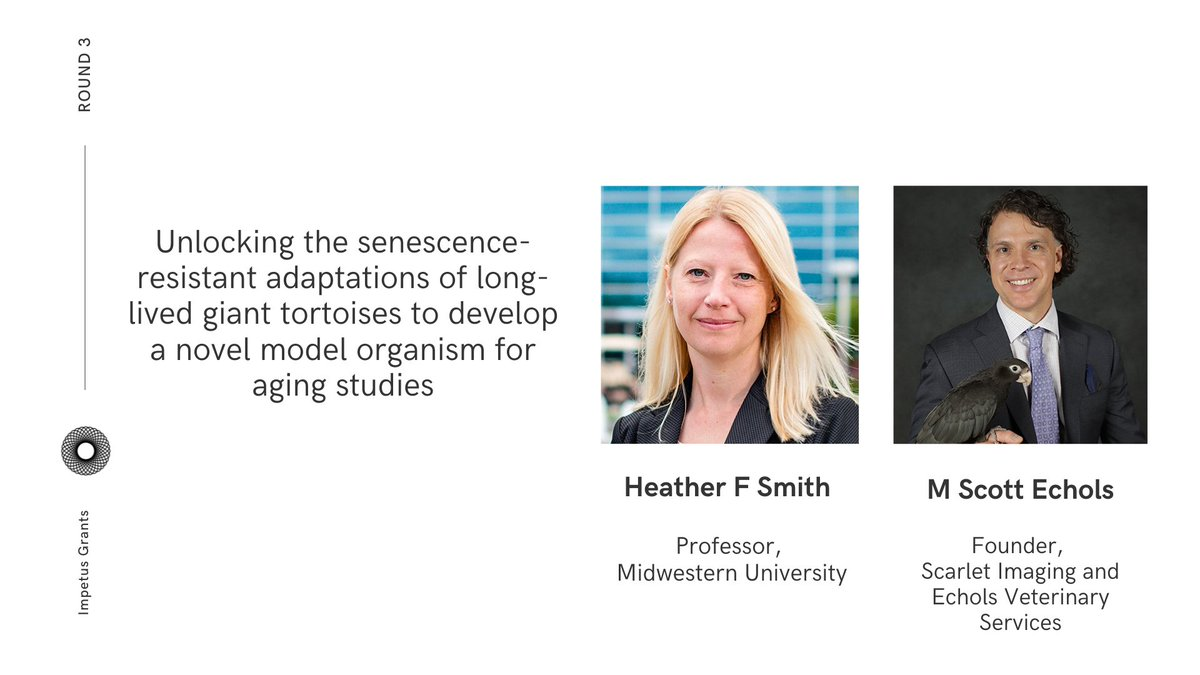
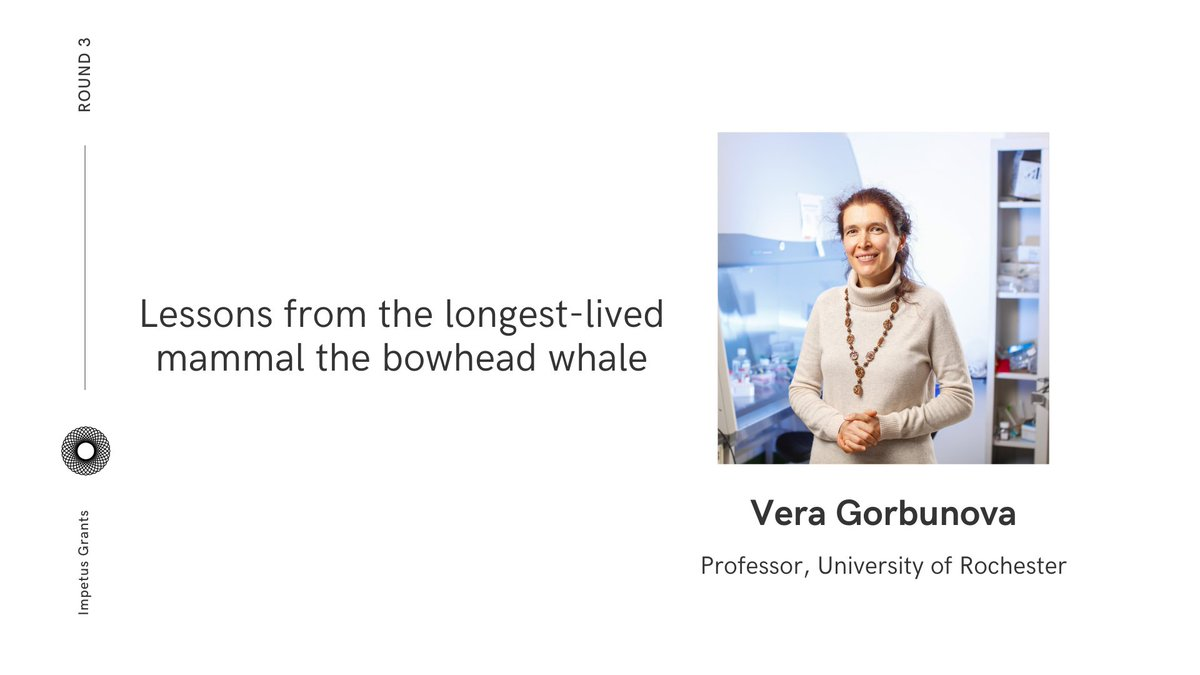
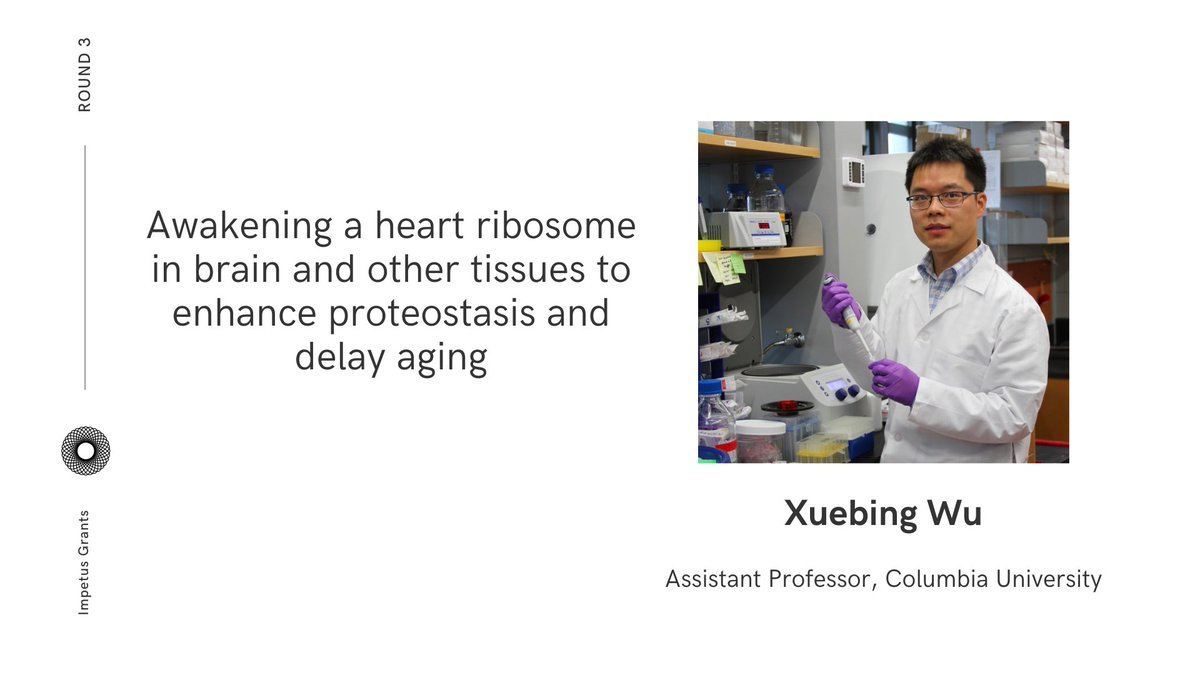
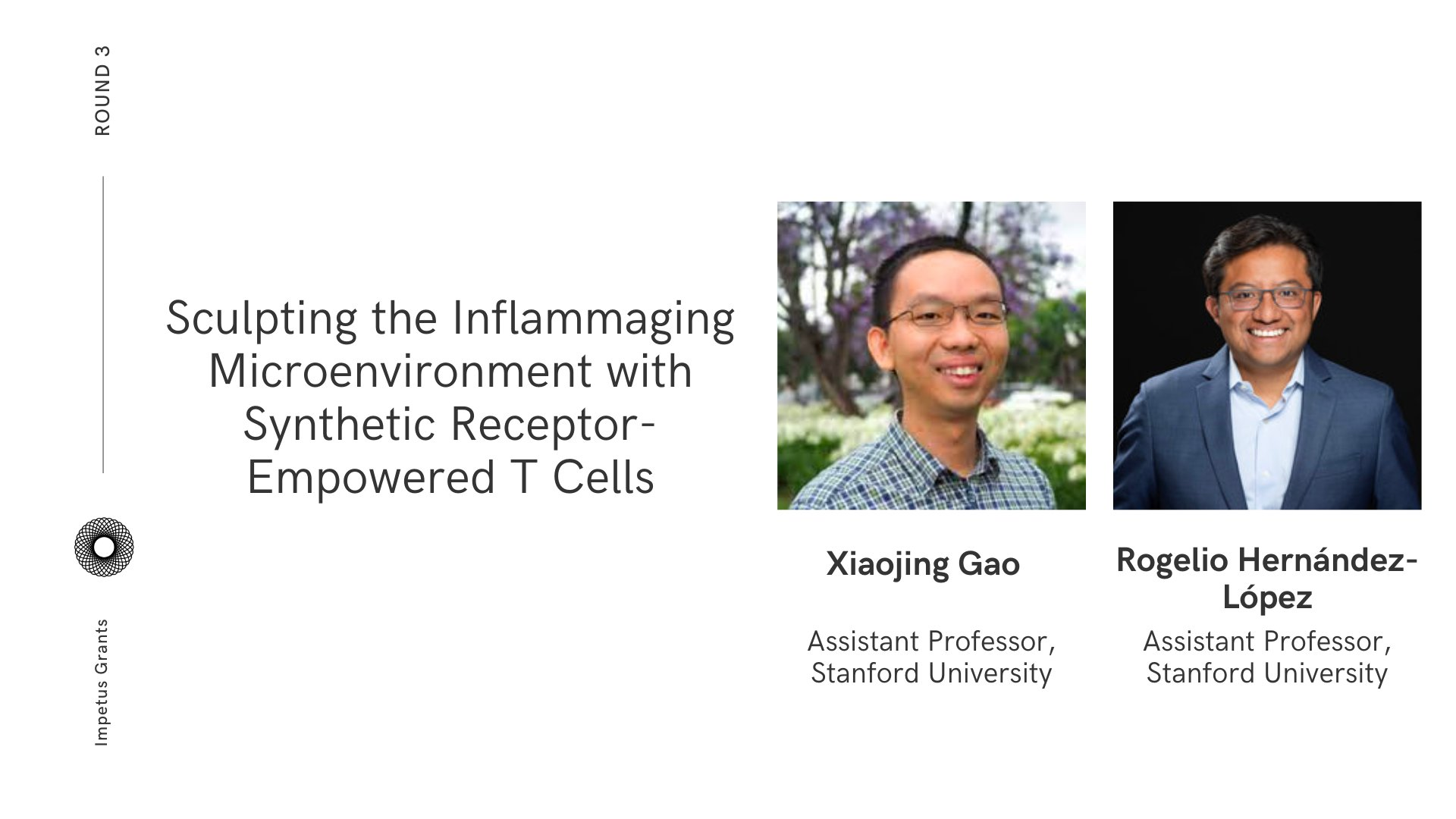
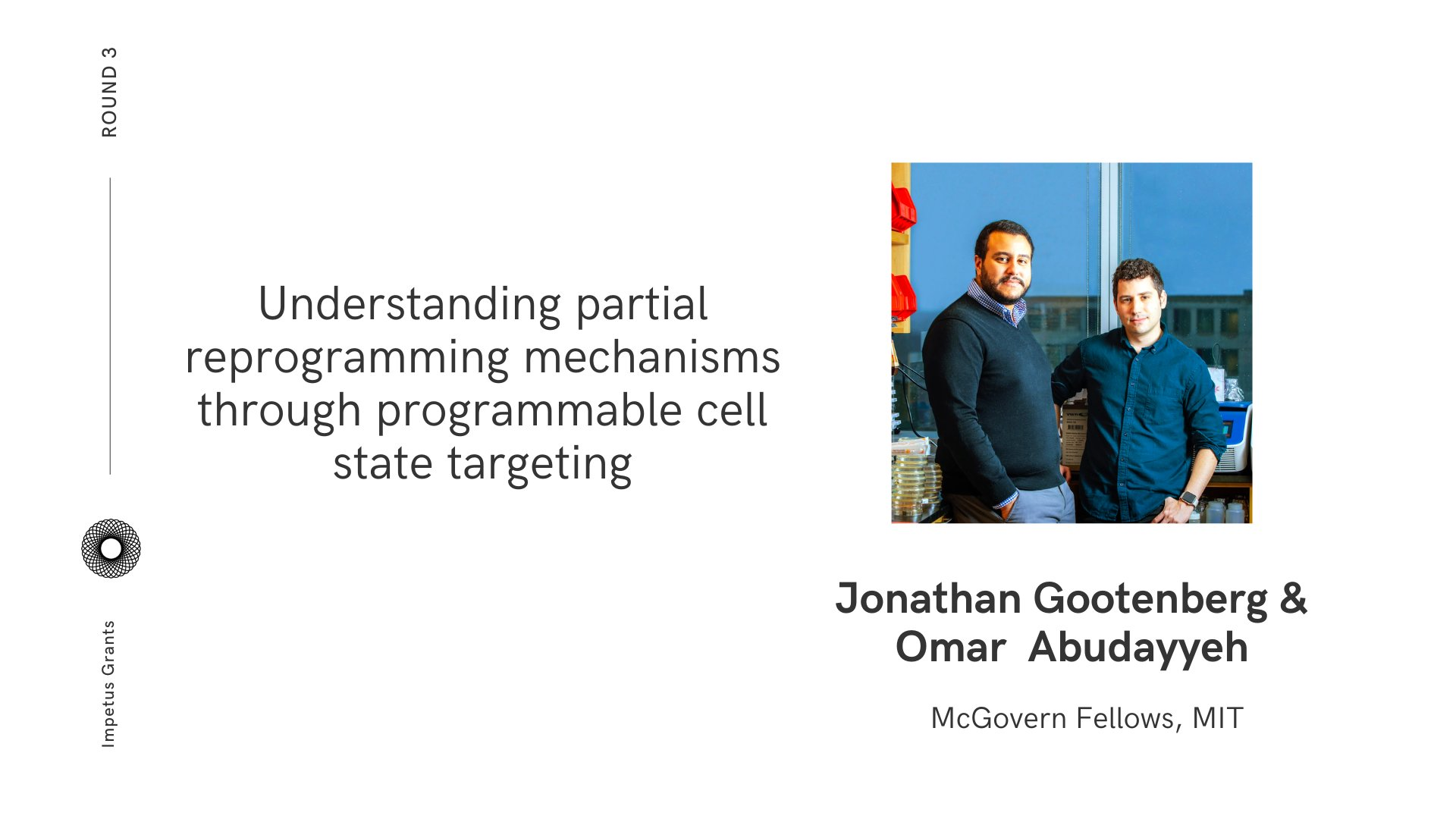
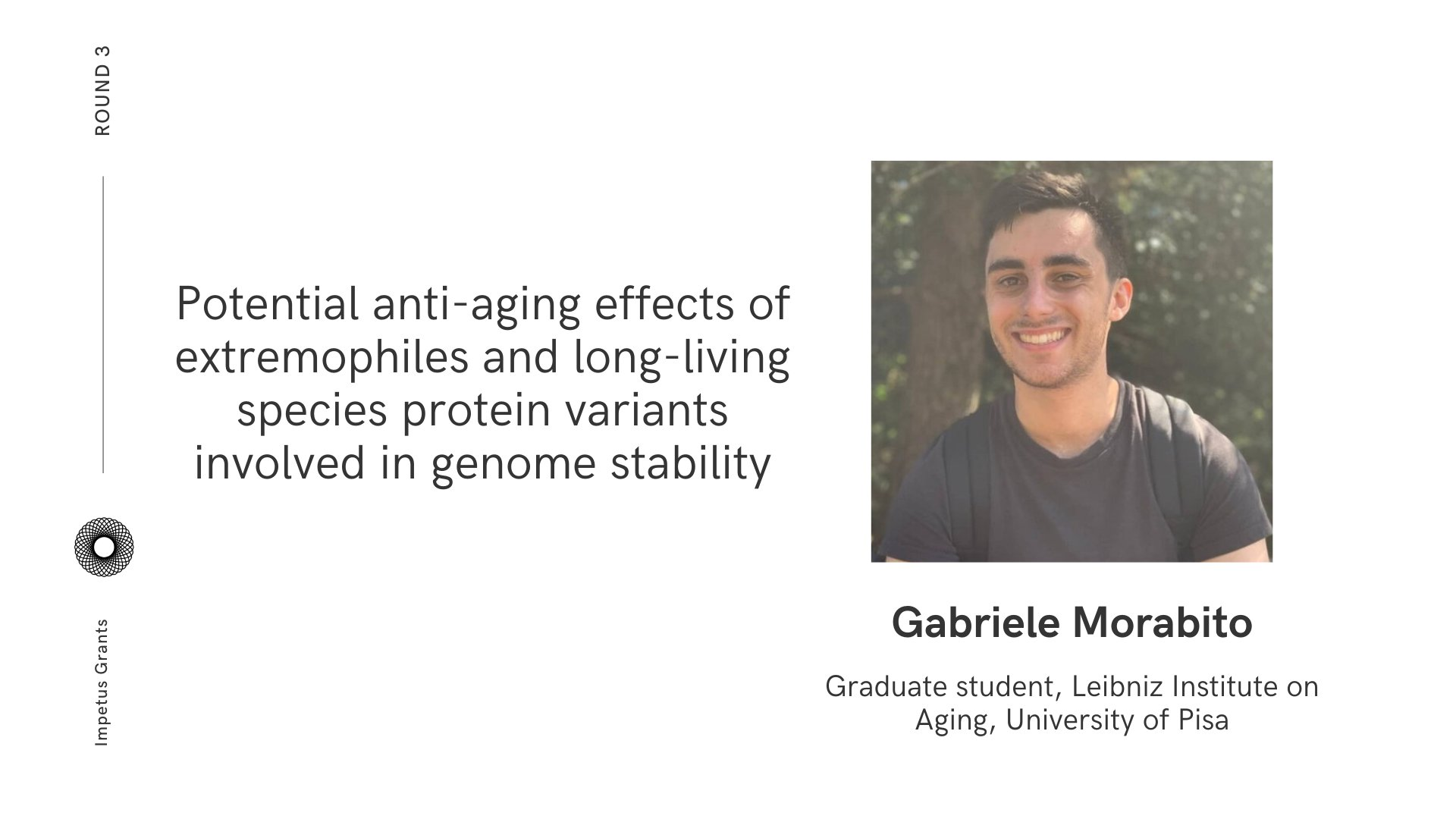
10 Million Dollars For Aging Science - Round 3 Announcement
Started in 2021, Impetus Grants made its goal to go after ideas in the aging space that would be ignored by traditional funders. Since then, we deployed more than $24 million into science, supporting a number of aging clinical trials, biomarkers, novel tools, and model organisms.
In August of 2023, we will launch a new round, together with Hevolution and Rosenkranz foundations, providing $5 Million in matching funding each. Thematically, the upcoming round will be open-ended, with a focus on high-risk high-reward kind of aging science. We are also looking to enable the following kind of research, among other things:
1.Proposals that stress-test popular theories of aging
Example: Recently, there has been published yet another study showing that eliminating senescent cells is detrimental for the organism - this time in the lungs of mice (Born et al., 2022). Currently, researchers are raising questions about therapies aimed at controlling cell senescence. We would like to fund more proposals investigating this question as we do not expect this direction to be supported by traditional funding.
2.Proposals that stress-test popular protocols for extending the lifespan
Example: In the last 2 years reprogramming has become the central topic of many companies and research groups. However, it hasn’t been rigorously investigated or reported as to what extent rejuvenating effects of partial reprogramming happen due to the depletion (death) of aged cells in the reprogramming pool. Given the susceptibility of aged cells to undergo apoptosis in reprogramming (Takahashi & Yamanaka, 2006), we believe that investigating this question further would be critical for improving current anti-aging reprogramming protocols.
3.Category-openers or proposals that test novel mechanisms and approaches to reversing aging
Example: In the previous round we funded a project that was deemed to be very risky by our reviewers, as it didn’t have any research precedents. That work, "Extending lifespan in C.Elegans by controlling mitochondrial membrane potential with light", has now been published in Nature Aging. With this proposal, the group pioneered a concept of external energy replacement for treating aging, creating a novel branch of aging research. We are looking forward to funding more proposals that develop absolutely new paradigms and ways of thinking about geroscience, even if it comes at risks (like in the described case).
4. Translation of preclinical findings
We continue looking into creating greater worldwide access to improved model organisms, to make early large-animal studies less prohibitively expensive. We will also continue supporting a great number of proposals that test the context-dependence of known aging modulators.
Applications will open on the main page on August 1st and will stay open until September 15th, 2023. More guidance on writing applications can be found on our website.
About Impetus Grants
Established in 2021, Impetus Grants is dedicated to supporting innovative ideas in the aging space that might otherwise be overlooked by traditional funders. The organization has successfully deployed over $24 million into scientific research projects, including aging-related clinical trials, biomarker research, and the development of novel tools and model organisms related to the aging process.
About Rosenkranz Foundation
The Rosenkranz Foundation was established by Robert Rosenkranz in 1985. The Rosenkranz Foundation fosters innovation in public policy, higher education, the arts, and scientific research. Its founder and Chairman, Robert Rosenkranz, is an American philanthropist and financier. He is a Board member of the Buck Institute and an honorary Fellow of the Academy for Health and Lifespan Research. From 1987 until 2018 he served as the Chief Executive Officer of Delphi Financial Group, an insurance company with some $20 billion in assets. Delphi grew from one of his acquisitions and increased its value 100-fold under his leadership.
About Hevolution Foundation
Founded in the belief that every person has the right to live a longer, healthier life, Hevolution Foundation is a global catalyst, partner, and convener, on a mission to drive efforts to extend healthy human lifespan and understand the processes of aging. With a focus on aging as a treatable process, Hevolution Foundation aims to increase the number of aging-related treatments on the market, compress the timeline of drug development, and increase accessibility to therapeutics that extend healthy lifespan, also known as healthspan. A non-profit organization headquartered in Riyadh, with an annual budget of up to $1 Billion, Hevolution Foundation plans to open hubs in North America and other global locations to support a cutting-edge, global ecosystem of talent to propel aging and geroscience research forward and achieve medical breakthroughs to help humanity live healthier, longer.
References
Berry, B. J., Vodičková, A., Müller-Eigner, A., Meng, C., Ludwig, C., Kaeberlein, M., Peleg, S., & Wojtovich, A. P. (2022). Optogenetic rejuvenation of mitochondrial membrane potential extends C. elegans lifespan. Cold Spring Harbor Laboratory. http://dx.doi.org/10.1101/2022.05.11.491574Born, E., Lipskaia, L., Breau, M., Houssaini, A., Beaulieu, D. P., Marcos, E., Pierre, R., Do Cruzeiro, M., Lefevre, M., Derumeaux, G., Bulavin, D. V., Delcroix, M., Quarck, R., Reen, V., Gil, J., Bernard, D., Flaman, J.-M., Adnot, S., & Abid, S. (2022). Eliminating senescent cells can promote pulmonary hypertension development and progression. Circulation. https://doi.org/10.1161/circulationaha.122.058794Takahashi, K., & Yamanaka, S. (2006). Induction of pluripotent stem cells from mouse embryonic and adult fibroblast cultures by defined factors. Cell, 126(4), 663–676. https://doi.org/10.1016/j.cell.2006.07.024
Guide for writing Impetus applications [2023]
1. High risk high reward science
In the past, many people made a mistake of interpreting our mission statement – to fund more bold aging science – as a nice website logo and not a call to action. Most of those applications were rejected. Remember that Impetus expects a very different type of project than traditional grants. What worked for your applications to NIH funding, might not work here. We suggest focusing on the types of ideas in the style of Impetus – high risk for higher reward.
2. Be concise
Do not waste space on background information and explanation of basic terms. We advise spending the body of your application on implementation details and risks, rather than a longer-term vision, which has a separate section. In my experience, people from inside of the aging field make the mistake of focusing on vision too much, with little emphasis on implementation details; while scientists from outside the field, developing tools, make the mistake of not precisely connecting their work to aging.
3. Acknowledge the risks
A question we recently included in the process is “How well does the researcher acknowledge the uncertainties and risks associated with their proposal?”. If you know the technical challenges you anticipate, you get additional bonus points for pointing them out yourself. We funded a number of risky projects with a low probability of success. If you do not describe your risks, reviewers might think you aren’t aware of them and flag your proposal as unrealistic.
4. Balance of bold and feasible
One of the reviewer questions asks to classify the proposal as 0 to 1 (takes an absolutely novel concept and proposes a new experiment) and 1 to n (takes a well-developed concept and makes an iteration of it). This balance of bold, novel, and feasible can be quite challenging to maintain. For example, full brain replacement is ambitious and novel, but not feasible with a 500k grant and at 2-year timeline. At the same time, creating new methylation clocks is feasible but is an iteration of many existing works. Of course, “ambitious” and “feasible” are not binary metrics and sometimes we would trade one for another in our funding decisions.
5. Heuristic of impact
The scoring of impact is tricky in most cases, which is why we normally center it around heuristics. One of the heuristics we use for assessing impact is “How significantly this will change the behavior of aging researchers?”
6. Finally, embrace acceptable failure while avoiding unacceptable failure.
Some forms of acceptable failure are:
Failure to prove the hypothesis or zero finding.
Technology doesn’t work in a new context for reasons you couldn’t have predicted
Some forms of unacceptable failure
The experiment is designed in a way that doesn’t address and challenge the core hypothesis it is trying to prove.
This is reflected in one of our review questions “If the experiment succeeds, is the hypothesis unambiguously proven or disproven?”.
Example: profiling levels of expression of chaperones in aged neurodegeneration models can’t prove that reduced chaperone expression is the mechanism of neurodegenerative diseases.
2. Poorly chosen model
Example: using glomerular filtration rate as a biomarker for kidney aging in wildtype mice, even though WT mice don’t exhibit a measurable decline in GFR with age
3. Technology doesn’t work in a new context for reasons you could have predicted
Example: the viral vector you have chosen has a poor transduction efficiency in your organ of interest
Round 2 Results and collaboration with Hevolution
In June 2022 Impetus Grants concluded its second round and we are happy to finally share our results publicly. This round was unlike our previous open-ended effort as we aimed to fund labs that had ideas around addressing specific bottlenecks of the field - causality of methylation clocks, in vivo measurements of multiple aging mechanisms, interventional data in humans, and road mapping of open problems. In this round, we awarded 14 grants totaling $4 million to support groundbreaking scientific research across various disciplines and stages - from support to ideas with no preliminary data to ongoing clinical trials.
The current round wouldn't be possible without our collaboration with Hevolution Foundation who generously agreed to match our funding, and the continuous support from our donors - Juan Benet, Michael Antonov, Vitalik Buterin, James Fickel, Jed McCaleb, Karl Pfleger, Fred Ehrsam, Molly Mackinlay, Feruell, and Gitcoin.
Connecting genome-wide landscapes of DNA oxidation with multiple aging mechanisms in human blood
Dr. Vakil Takhaveev (ETH Zurich), Prof. Dr. Shana J. Sturla (ETH Zurich), Prof. Dr. Alejandro Ocampo (Université de Lausanne)
DNA damage has emerged as a key mechanism driving aging, yet there is no genome-wide data on how patterns of pervasive DNA damage products, such as oxidized nucleobases, evolve during aging or how they relate to other aging mechanisms. Only very recently has it become possible to create high-resolution genomic maps of DNA damage via customized sequencing library preparation protocols. In this collaboration, Dr. Takhaveev, Professor Sturla, and Professor Ocampo will work to decipher tandem patterns of oxidative DNA damage and DNA methylation across the human lifespan in blood samples, to uncover biomarkers at the interface of several aging hallmarks.
In situ genome-scale measurements of multiple aging mechanisms
Dr. William Allen, Professor Xiaowei Zhuang (Harvard University)
Professor Zhuang and Dr. Allen will combine spatially resolved single-cell transcriptomic and proteomic profiling to comprehensively map the molecular architecture of the aging brain and identify molecular and cellular signatures of aging. This project also aims to develop imaging-based pooled genetic screening methods to probe the molecular mechanisms underlying these aging signatures and identify molecular factors that can reverse aging.
Tracking protein lifetimes during aging with molecular recordings and nanopore peptide sequencing
Professor Jeff Nivala (University of Washington)
This project aims to develop a new protein recording technology, using a combination of genome editing and nanopore sequencing, to track protein lifetimes across cellular aging.
Protein Circuits to Enable Multiplexed Urinal Monitoring of Hallmarks of Aging
Professor Xiaojing Gao (Stanford University)
Gao Lab at Stanford aims to engineer biomolecular circuits that can convert a variety of aging biomarkers to outputs compatible with noninvasive, repetitive monitoring in animal models
The causal role of methylation in driving brain aging
Professor Hume Stroud (UT Southwestern)
Prof. Dr. Stroud will use mouse genetic tools to test the causal role of methylation in driving brain aging.
A comprehensive online compilation of open problems in longevity science
Professor Joao Pedro Magalhaes (University of Birmingham, UK)
In this project, Professor Pedro Magalhaes & team will create and populate an online framework of open problems in longevity and aging research. He will engage and collaborate with the scientific community to develop this project.
Geroprotective effects of rapamycin on inflammaging in older adults with periodontitis
Professor Jonathan An (University of Washington), Professor Vandana Kalia (Seattle Children's Research Institute)
The project will complete longitudinal immune profiling at a single-cell level in clinical trials of humans taking rapamycin.
Predict optimal rejuvenation cocktails with spatiotemporally resolved multi-omics and RNA velocity
Professor Jonathan Weissman (Whitehead Institute for Biomedical Research)
Recent advances have defined molecular hallmarks of aging and cocktails of transcription factors capable of reversing these changes. Unfortunately, we still lack a mechanistic understanding of how these rejuvenation treatments act or a means to systematically search for more potent and specific regimens. Here, Weissman lab will leverage the dynamo approach for mapping cell trajectories, which provides high-resolution spatial transcriptomics to predict optimal paths and cocktails that rejuvenate aged cells or delay the aging of youthful cells over time and space.
Identifying immunological correlates of frailty that diminish healthspan
Professor Alison Ringel (Ragon Institute)
Ringel Lab seeks to understand whether external measurements of aging are predictive for molecular deficits in the immune system that increase disease burden over time.
Evolutionary Selective Identification of Functional Human Age-related Changes in the DNA methylome
Professor Christopher Bell (Queen Mary University of London, UK)
The CpG dinucleotide can be considered a genome signaling unit – however, it must withstand strong genetic hypermutability compared to other genomic sequences. This project will employ evolutionary and population genomic & epigenomic analysis to identify critical functionally important CpGs in the aging process.
NAD+ turnover dynamics in humans
Professor Lindsay Wu (University of New South Wales, Australia)
Nicotinamide adenine dinucleotide (NAD+) is a critical redox cofactor that declines with age and can be restored using NR or NMN. This decline with age only reflects a static, overall snapshot of total levels, which masks a hidden interplay between NAD+ synthesis and breakdown. The team will use isotope tracing of nicotinamide to obtain the first measurements of NAD+ synthesis and breakdown in humans, and whether either of these is altered by old age or exercise.
Multi-omic biomarkers and mechanistic insights from a clinical evaluation of rapamycin in women
Professor Yousin Suh, Professor Zev Williams (Columbia University)
In the previous Impetus grant round, two teams were awarded funding to conduct a double-blind, randomized, placebo-controlled trial to evaluate the ability of rapamycin to extend women’s reproductive health at Columbia University (PI, Zev Williams) and to reverse periodontal disease at the University of Washington (PI, Jon An). Leveraging these clinical trials, the team from Columbia University will conduct multi-omic analyses of clinical samples obtained from the same study population, with the goals of identifying robust biomarkers and deriving mechanistic insights from a clinical evaluation of rapamycin treatment for women’s health.
Clinical Evaluation of mTORC1 inhibition for Geroprotection: Biomarker Study
Professor Adam Konopka, Professor Dudley Lamming (University of Wisconsin-Madison)
This Phase 2, double-blind, clinical trial aims to identify how mTORC1 inhibition influences physiological and molecular hallmarks of aging across multiple tissues and systems. The team also aims to determine if proposed biomarkers of aging are amenable to mTORC1 inhibition and identify key biomarkers for future geroscience-guided phase 3 clinical trials.
Uncovering associations between hallmarks of aging, aging phenotypes, and age-related diseases
Dr. Rafael de Cabo (National Institute on Aging)
Developing aging biomarkers with data collected from Study of Longitudinal Aging in Mice (SLAM).
Impetus Grants is preparing to launch round 2 of funding
Impetus Grants is happy to announce its next round of funding, this time focused on funding specific bounties suggested below. The application will go live on May 1st 2022 and will be closed on May 31st 2022. All responses will be sent out in weeks after the round is closed.
Test the causal role of methylation in driving aging
Methylation clocks are one of the most promising candidates for aging biomarkers. Even though such clocks have already been used in a few clinical trials as a biomarker, the question of whether the role of methylation in aging is associative or causal remains open. This bounty suggests assessing the causal role of methylation through direct manipulation. We will prioritize proposals that aim to assess multiple methylation sites and their combinations rather than proposals that assess only a few methylation loci.
Interventional data in humans
During the first round, Impetus funded a number of biomarker initiatives. One of the key criteria for a biomarker is its susceptibility to interventional change. In this category, we aim to fund data-generating initiatives that longitudinally explore omics / multi-omics under individual interventions or their combinations in humans. We hope that this will serve as a powerful reference for current and future biomarker studies.
We are open to supporting existing biobanks to complement their storage with interventional samples. This category is also open to existing aging trials that want to add more measurements to their study, conditional on making their data publicly accessible. In this category we will prioritize proposals that explore and compare interventions for which multi-omic data and samples aren’t available in humans yet.
Protocols/methods for simultaneous measurement of multiple aging mechanisms, in vivo
While there is undeniable evidence that all aging mechanisms are connected and influence each other, most studies still assess them independently. For further assessments of what aging is and for translation of this assessment into clinical assays, we want to fund tools and protocols that offer to measure molecular aging mechanisms in connection to each other. While we will prioritize molecular measurements in this category, we are also open to considering other metrics.
An initiative that aims to compile all open problems in the field
In 1977 Bernard Strehler published a comprehensive list of 100 problems biologists need to resolve to come closer to solving aging (Chapter 9 of “Time, Cells and Aging”). With time, our understanding of aging has been changing, and today many problems in this list are either outdated or resolved. As no unbiased and comprehensive alternative has been created yet, in the current category we aim to fund a road mapping initiative to gather all open questions, challenges, and controversies in the biology of aging.
Since this category doesn’t have a strong experimental part, in your proposal we want to see a plan for finding all relevant problems, debiasing them, as well as a discussion of deliverables and timelines. Optionally, you can attach any preliminary collected open problems in the figure, to help us assess the style of your problem-picking.
Results of round 1
We often wish that clinical trials happened faster, yet one of the most significant barriers to aging science is bureaucracy - long grant applications, infinite back-and-forth corrections, and more than a year of waiting time to get a decision. Worse of all, risky ideas almost never make it to the end of this pipeline. In the fall of 2021, we launched the first round of Impetus, our effort to fix funding for longevity. With applications being less than a page, we were able to make decisions on most of the projects in less than 3 weeks. Among the objectives of this round were the following:
1) Fund more research to develop and validate mechanistic biomarkers that measure aging in humans and animals
2) Fund more research to develop assays to measure causal and temporal relationships between different mechanisms of aging in cells and organs.
3) Fund projects that improve translation of research to clinics
Overall, we funded 98 projects. The first round of Impetus will lead to 4 clinical trials, 11 new tools to measure biology, 7 biomarkers, 25 large datasets on aging, and 10 therapeutic candidates. 19 of the studies will go on to challenge the current assumptions the field has about aging. 11 of the applications proposed new promising protocols for lifespan extension and 15 of funded projects will go on to test the existing therapies in a more rigorous way, to prove or disprove their contribution to healthspan. We also funded work on 2 new model organisms, so we are hopeful that future studies will soon benefit from better models. While we mostly focused on research, there were also a few projects that would otherwise boost progress in the field of aging research, including the first-ever conferences on Systems Biology of Aging (the aging field currently lacks the ‘systems’ perspective) and Reproductive Aging, an initiative to extend the WHO classification of aging as a driver of disease, and a database compiling past lifespan experiments for better comparability. We also supported many ideas that are likely to fail and, by failing, would give us more knowledge than successful but incremental research ever could.
One of our stated directions is to support bold research that wouldn’t have happened otherwise. We estimate that ~27% of these would not have received funding through traditional sources, either because the idea didn’t have any literature traction or had a high upside risk in implementation. Our overall acceptance rate was 15% (the average acceptance rate of NIH grants is ~20%). We are proud that the acceptance rate for students and PhDs was 26%, post-docs - 16%, and outsiders to academia - 9.6%, all of which aren’t eligible for NIH grants. No one should wait to get to higher “academic ranks” to test their ideas.
We will continue to monitor the status of projects funded through this round. We will also work to prepare a special Geroscience issue where we can publish both positive and zero results from this round.
The list of funded researchers:
Adriana M. Padilla-RogerAlaattin KayaAlan A. CohenAlibek MoldakozhayevAndrew Chris YangBarry BentleyBenjamin MillerBranden R. NelsonBrian M. WaskoCherfils-Vicini JulienChih-Hao ChangChristian Riedel & Peter StenvinkelChristopher BurtnerChristopher FaulkChristopher HineChuankai (Kai) ZhouCorina AmorCraig GlastonburyCristina Mayor-RuizDaniel Bryan GoodmanDaniel PromislowDaniel RichardDavid VilchezDavis EnglundDella DavidDouglas E VaughanDudley LammingEliisa KekäläinenEmily GoldbergFederico PietrocolaGeoffrey Richard TannerGeorges E. JanssensHelen BlauHenrik AhleniusHongjie LiIustin TabareanJavier Gómez OrtegaJohn NewmanJonathan AnJonathan WeissmanJose Alberto Lopez-DominguezJuliana Sucharov CostaJunyue CaoKapil V. RamachandranKonstantinos ChronisKorbyn J.V. DahlquistLeif S. LudwigLev Y YampolskyMaitreya DunhamMallar BhattacharyaMarco DemariaMarianna SadagurskiMark McCormickMatt KaeberleinMatthew PiperNathan BasistyNicholas GentryOlga SpiridonovaOmar AbudayyehPatrick GriffinPaul WoltersPeter MullenPetter HollandPontus Plavén-SigrayPrashant MaliPuneet BatraRachel McQuadeRaghav SehgalRaul AndinoRhys AndersonRozalyn AndersonSaad KhanSamuel Gordon RodriquesSarah MitchellSebastian HoferShahaf PelegShai Shen-OrrSinisa HrvatinSirui ZhangSophia LiuStephan EmmrichSurojit SarkarVandana KaliaTimothy MackieVadim GladyshevValentin CracanWillard M FreemanXiaojing GaoXin JinXuebing WuYizhou ZhuZev WilliamsZhixun Dou